Building Trust with Indirect Customers
 2023 Trip.com User Experience Award
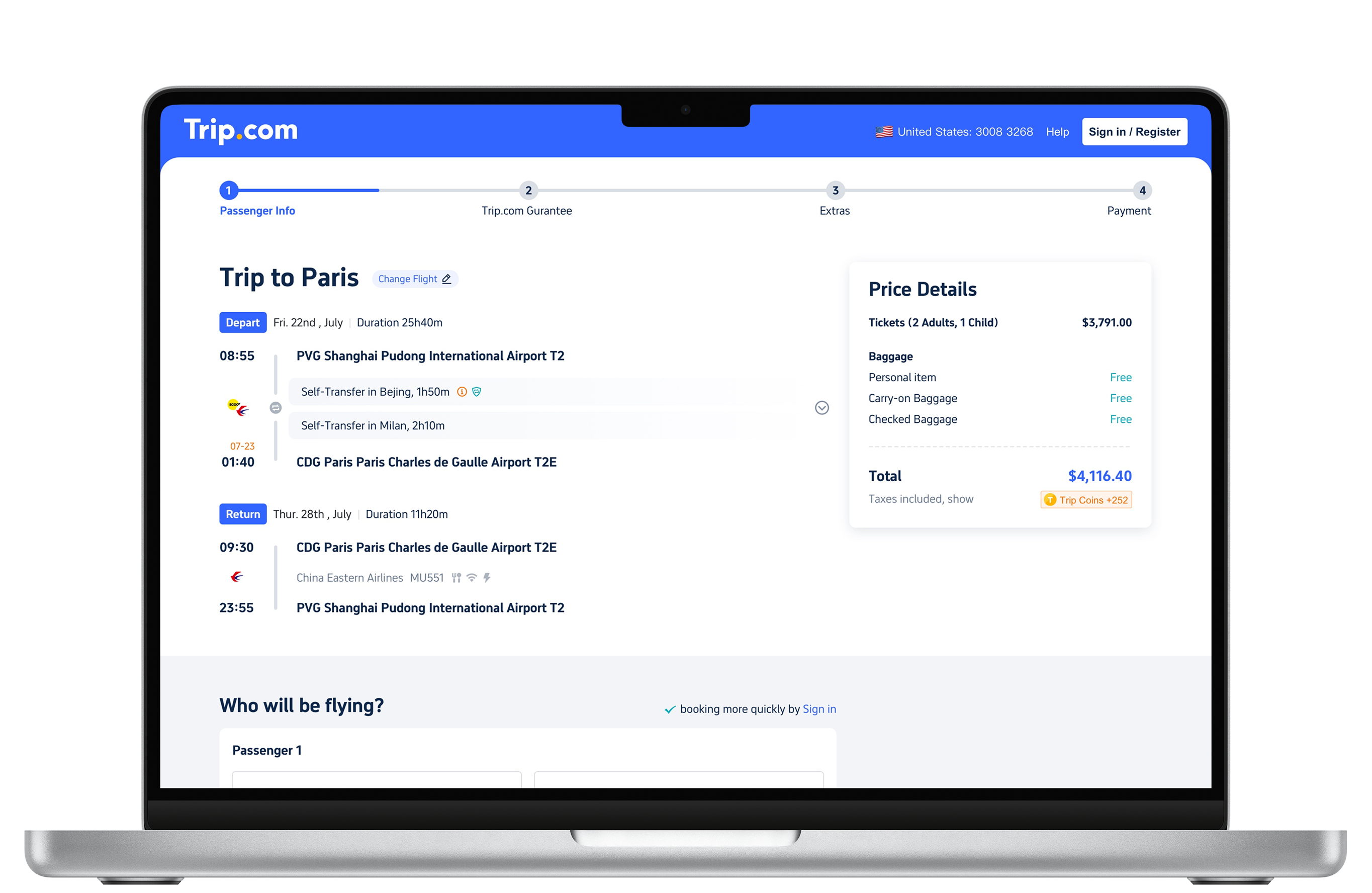
Designing targeted experiences to establish immediate platform trust for the 44% of users coming from meta-search.
Client
Trip.com web, landing page from third-party
Time
May 2023
My Role
Lead Designer & Design
Team
Background
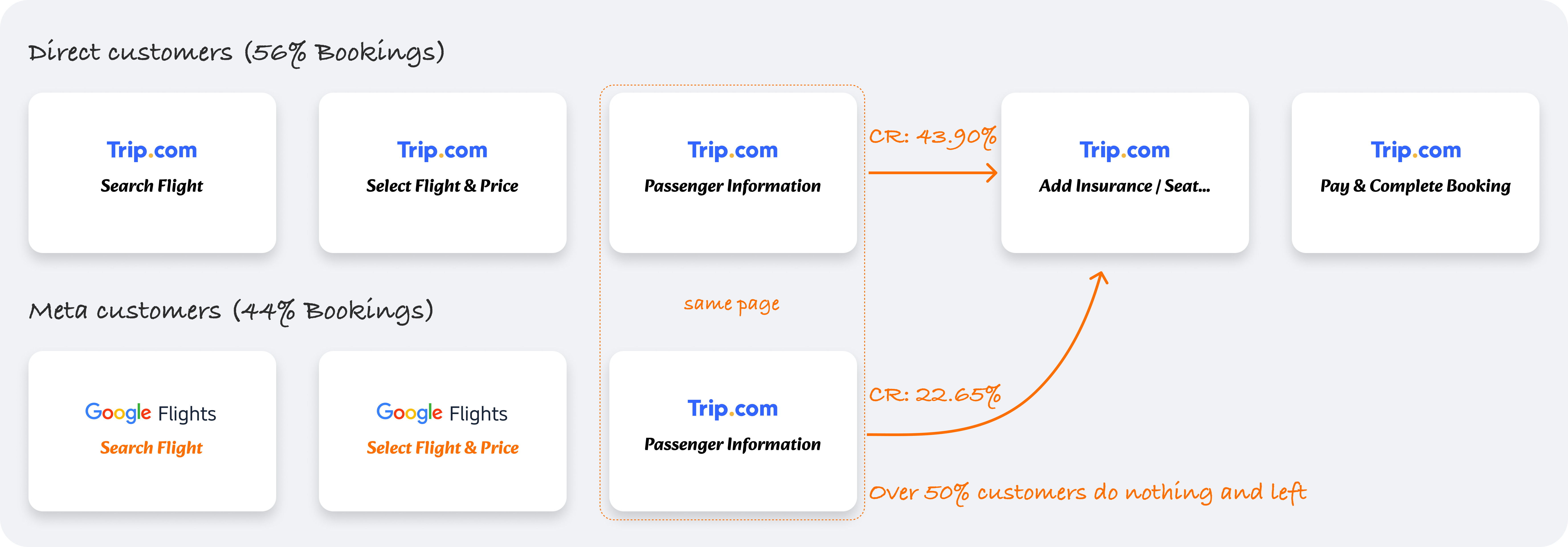
Trip.com handles over 120K flight bookings daily, primarily through two channels: direct customers and Meta customers (metasearch engines). Around 44% of bookings come from Meta channels, where users find flights on platforms like Google Flights and Skyscanner and are then redirected to Trip.com's passenger information page. However, the conversion rate for these Meta channel bookings is only half of that from direct customers. Our focus was on figuring out how to boost the conversion rate for these Meta channel bookings.
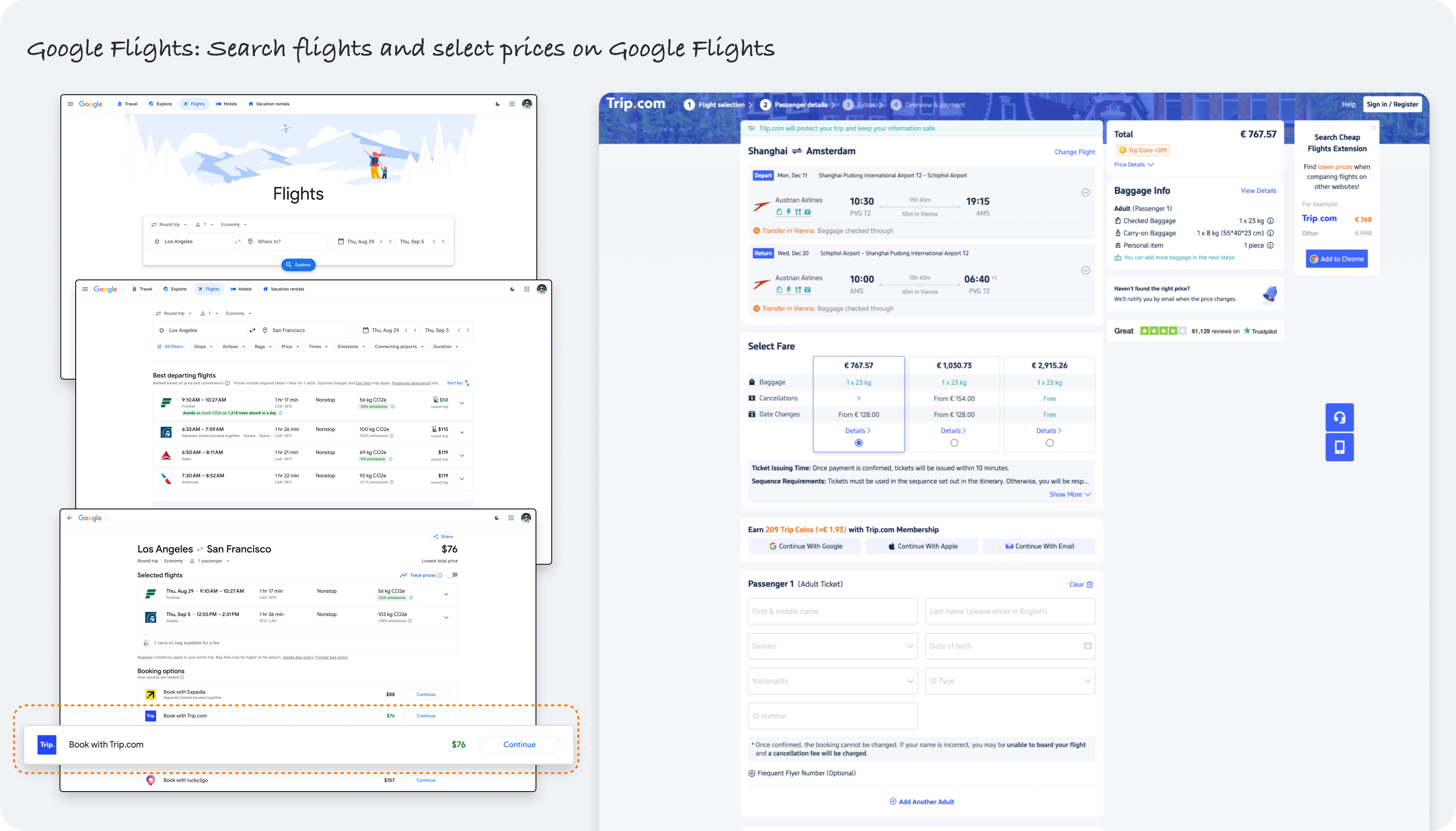
Apart from handling the daily requests from product managers, designers also initiate self-driven projects. I make a habit of regularly analyzing data, and based on the insights I've gathered, I aim to optimize the user experience on the Meta landing page.
Design Goal
Upgrade the user experience and visuals on the Meta landing page to strengthen user trust, thereby increasing the page's conversion rate.
My Impact
Based on data insights, I initiated a design leading project, communicated promptly with the product manager to establish the project, and collobrated with the Regional team for local competitor analysis and user research. Throughout the project, I led bi-weekly meetings to update the team on progress and conducted workshops.
Design Overview
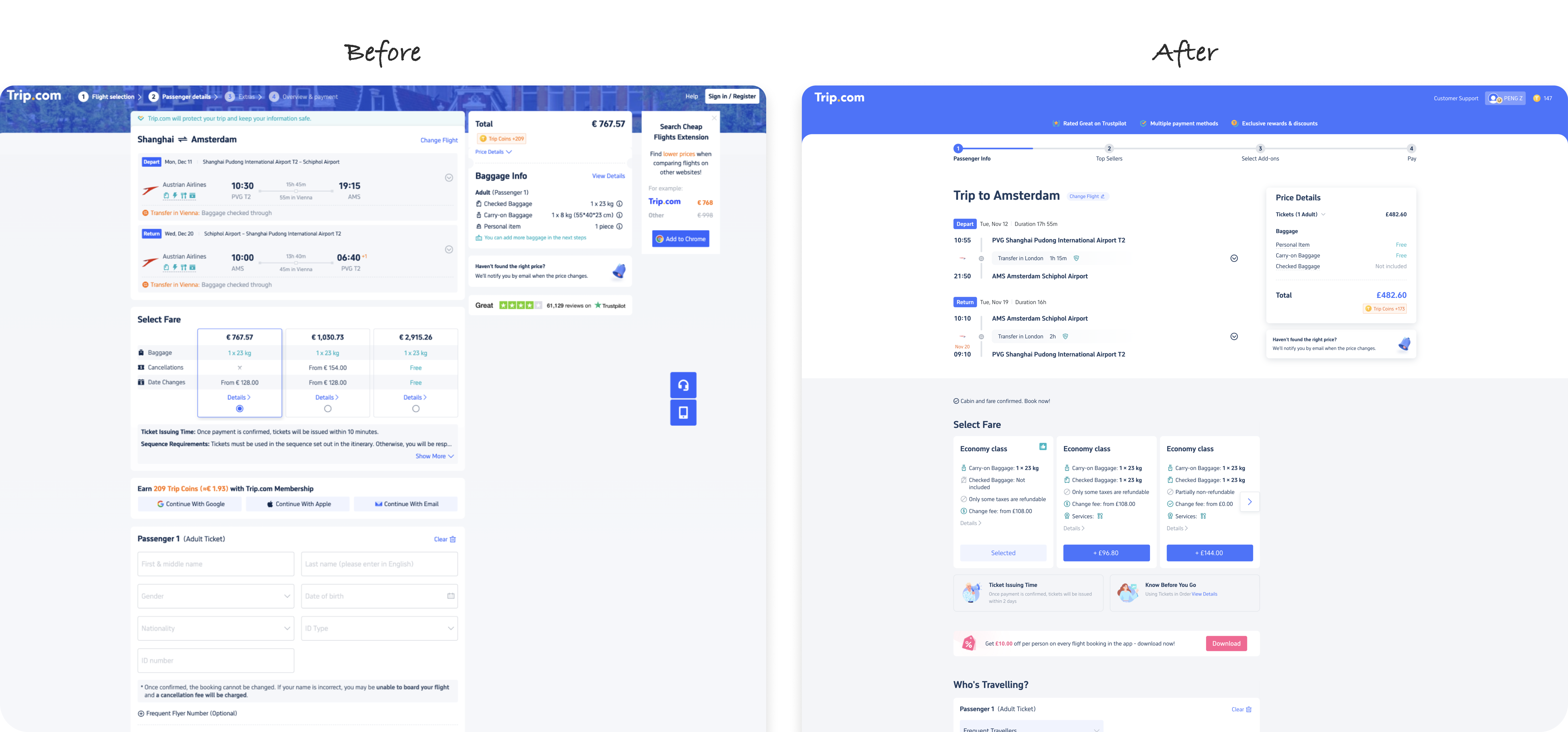
Key improvement: User Interface, Structure and Information, Color. (Will introduce the design process later)
Metrics
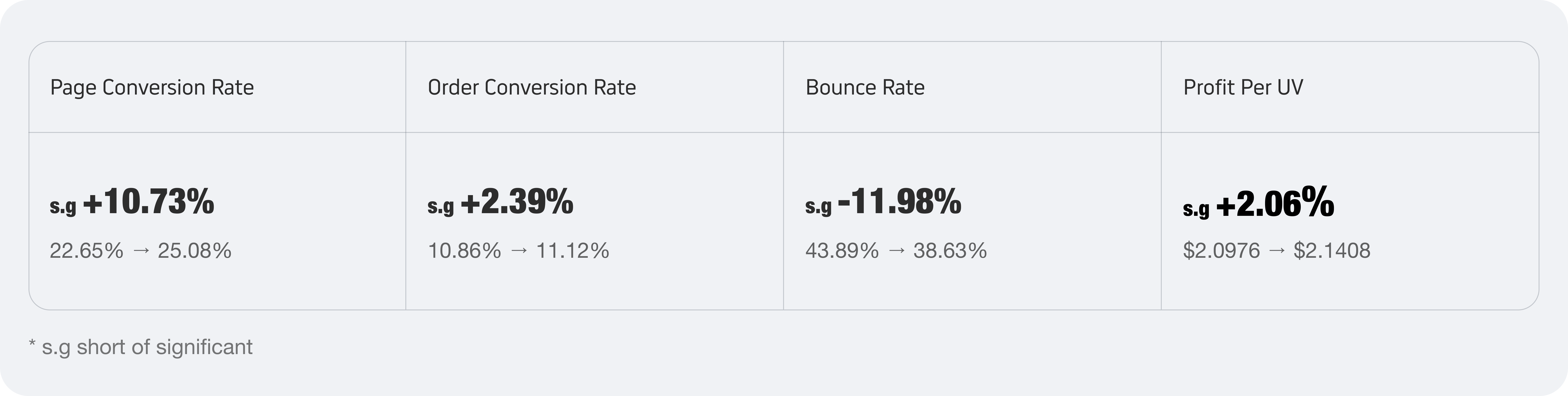
We validated the following data metrics through A/B testing:
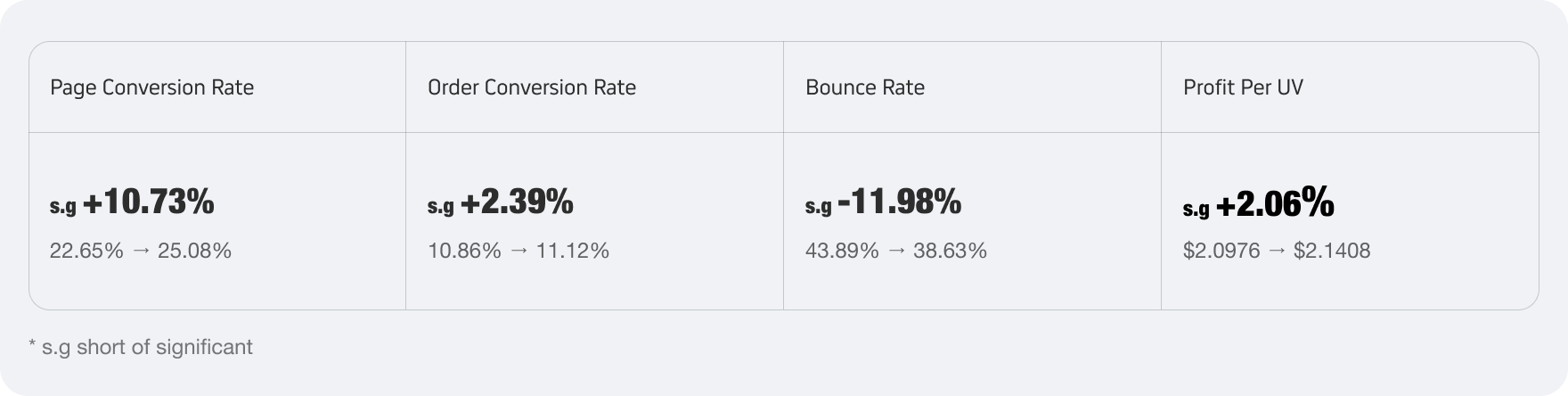
Page Conversion Rate (Key Metric): Start from Meta landing page to next page, to validate whether the design adjustments have a positive impact on the conversion between pages.
Order Conversion Rate (Key Metric): Start from Meta landing page to complete payment, to verify whether the design adjustments have a positive impact on order conversion.
Bounce Rate (Key Metric): To verify whether the new design improved user trust and readability.
Profit Per UV (Reference Metric): To verify whether the new design improved user trust and readability.
Testing site: Global markets. The test is considered successful if the average data shows positive results.
The following is the design process
Issues
We collaborated with EU regional team to analyze feedback from interviews with 12 European users, which can be divided into the following key issues.
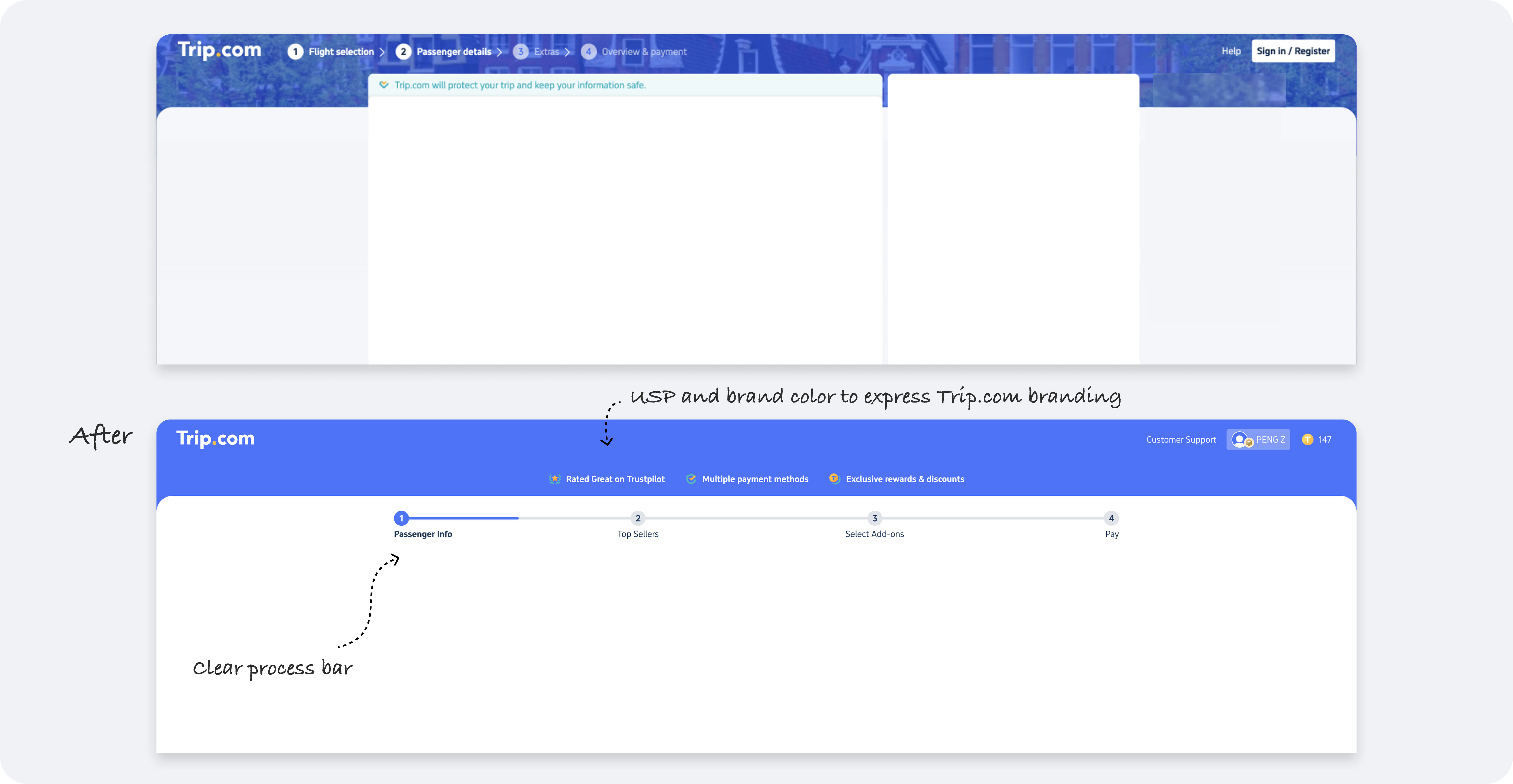
Issue 1: Keep telling users to trust us but still lacking trust. Trip.com keeps saying "trust me" with words, but the branding bar background looks very outdated. Baggage information is in the price area without any relates, and the notice looks like lawyer warning.
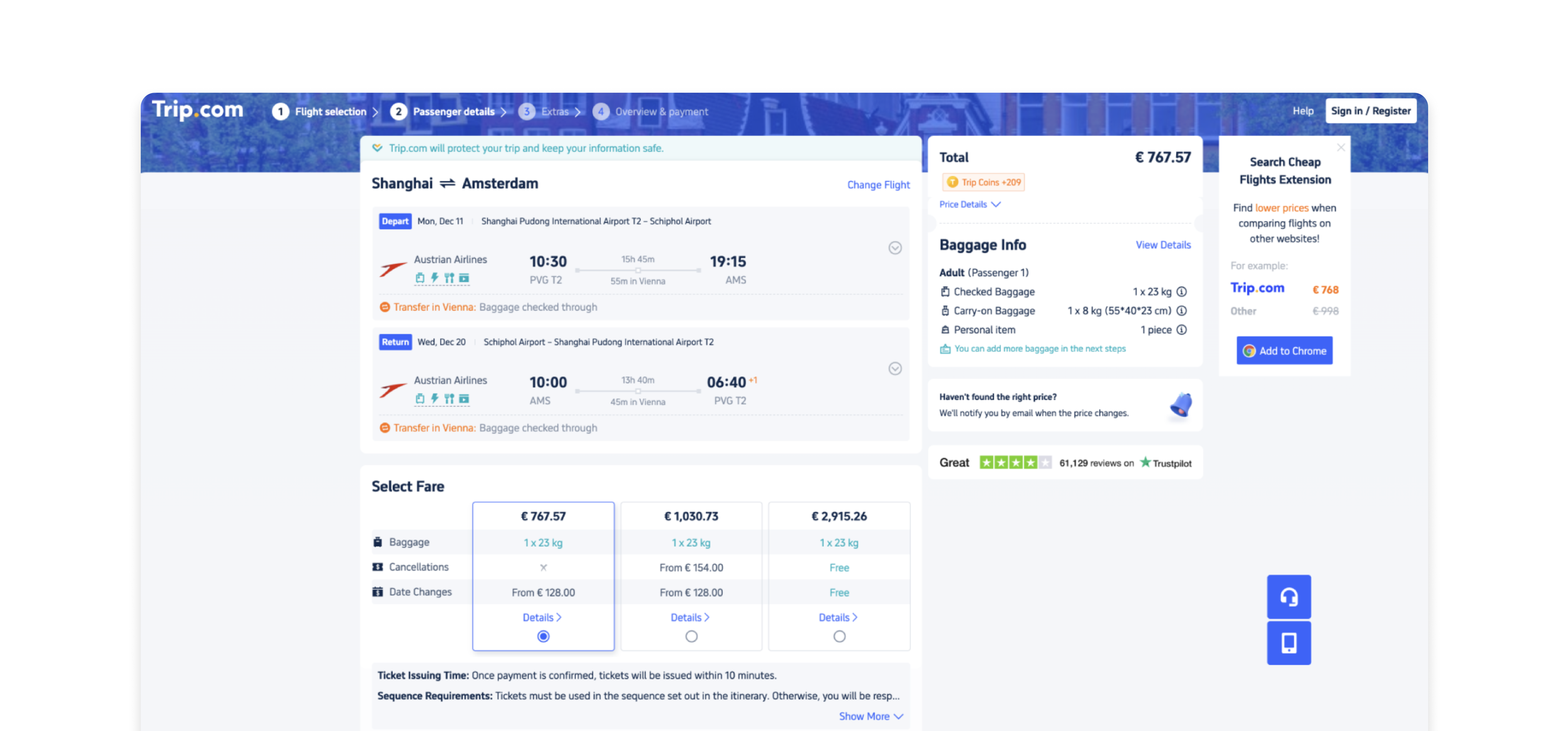
Issue 2: Information and color scheme are messy The layout is cluttered with too many colors and font sizes, with the excessive use of blue being overwhelming, and the orange feeling alarming. The flight section lacks structure and is confusing, making it difficult for customers to focus on details and know where to begin when they land on the page.
Competitor Analysis
1. OTA Competitor Analysis
Using the Google 360 data platform, we found that Trip's monthly traffic is significantly higher than that of competitors. However, the average time spent on the site is much lower, and the bounce rate is also much higher, reaching 43.89%. This data is also reflected in the data reports, indicating that nearly half of the visitors leave the site without taking any action.
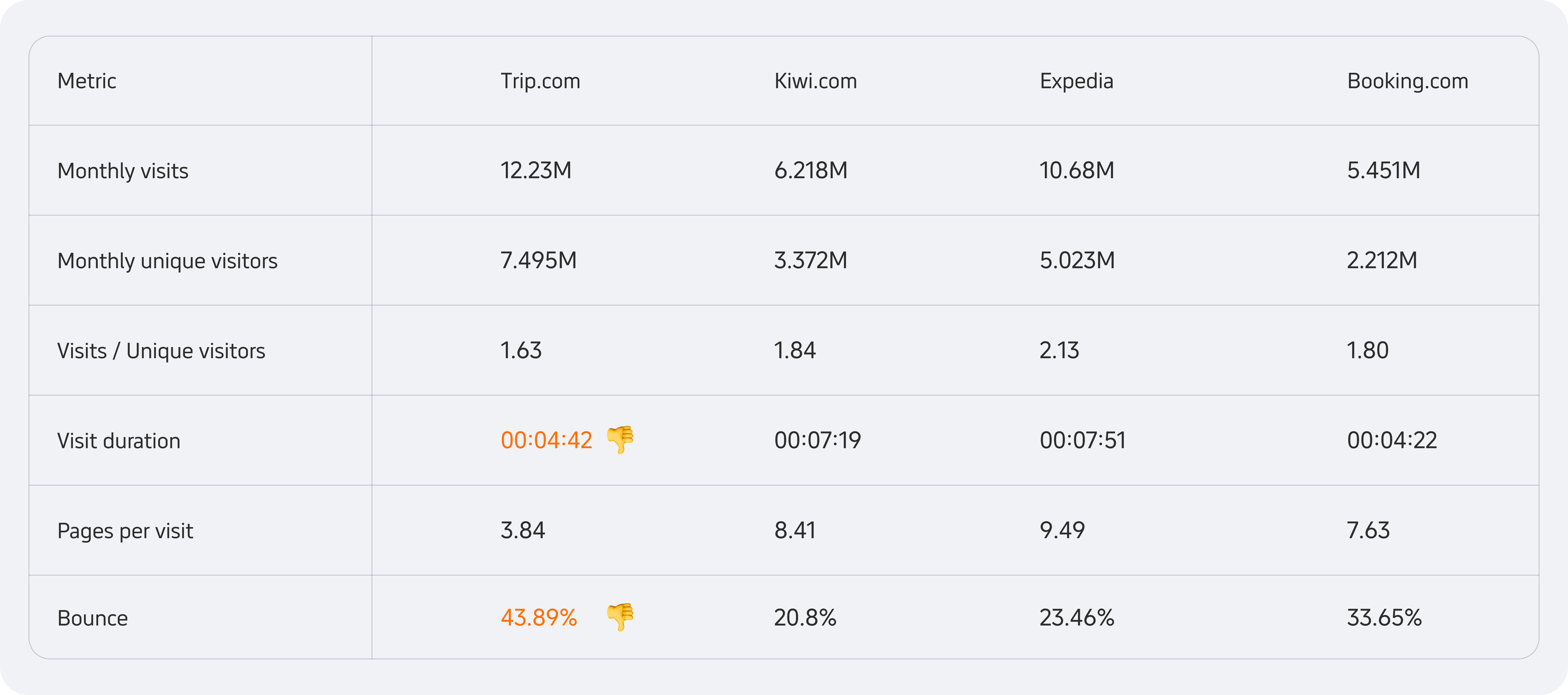
What's the difference between Trip.com and its competitors?
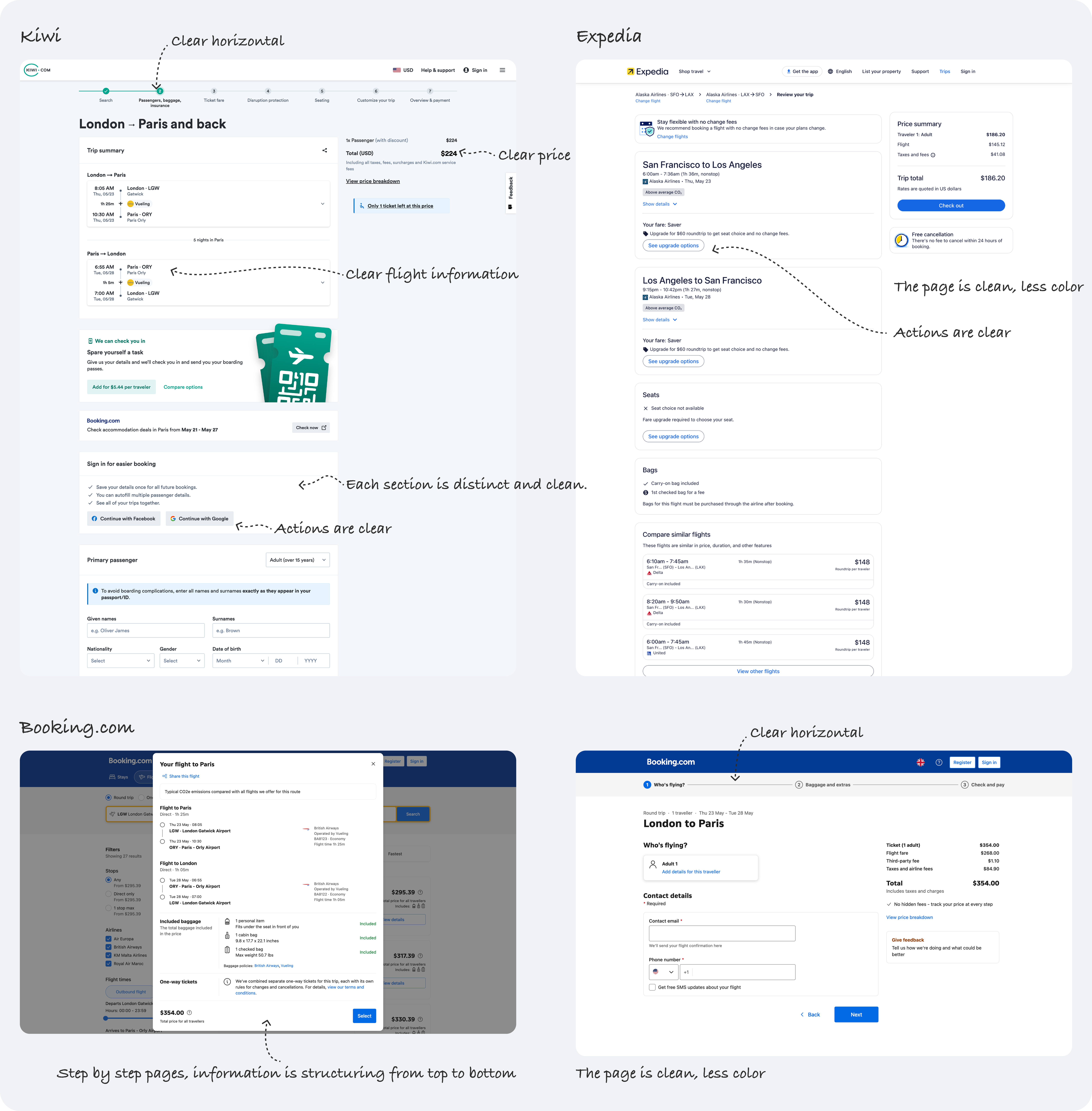
2. Out-of-the-box competitor research Flight tickets are expensive for customer. Besides the OTA industry, we took a look at how Apple and Tesla design their websites globally to instill trust in users.
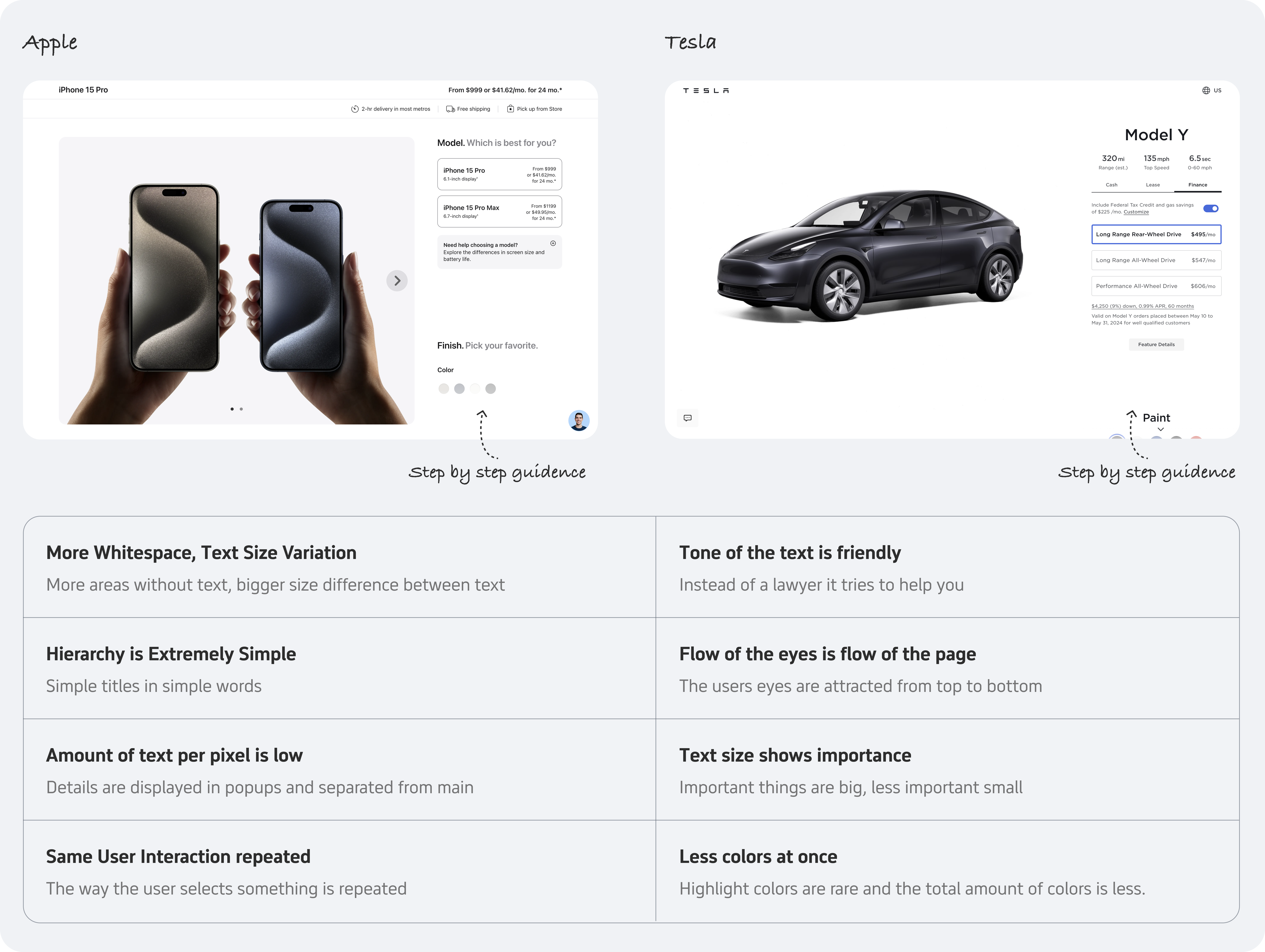
Design Thinking
After analyzing the issues of Trip meta landing page and competitors, we asked ourselves: What is the user’s intention when they visit our site? Meta users come from well-known comparison sites and trust Google Flights and Skyscanner. But do they trust Trip? Probably not, they are drawn to Trip by its prices. When they arrive on our page, they might not trust us, and their main concerns are whether the flights and prices meet their needs. How can we build trust with users? We should focus on what matters to them first and then guide them towards conversion.
Design Direction
So far, the design direction is clear: streamline page information, enhance step-by-step guidance, and adjust information prioritization to build greater user trust in Trip.com.
Wireframes and Updates
1. Wireframe
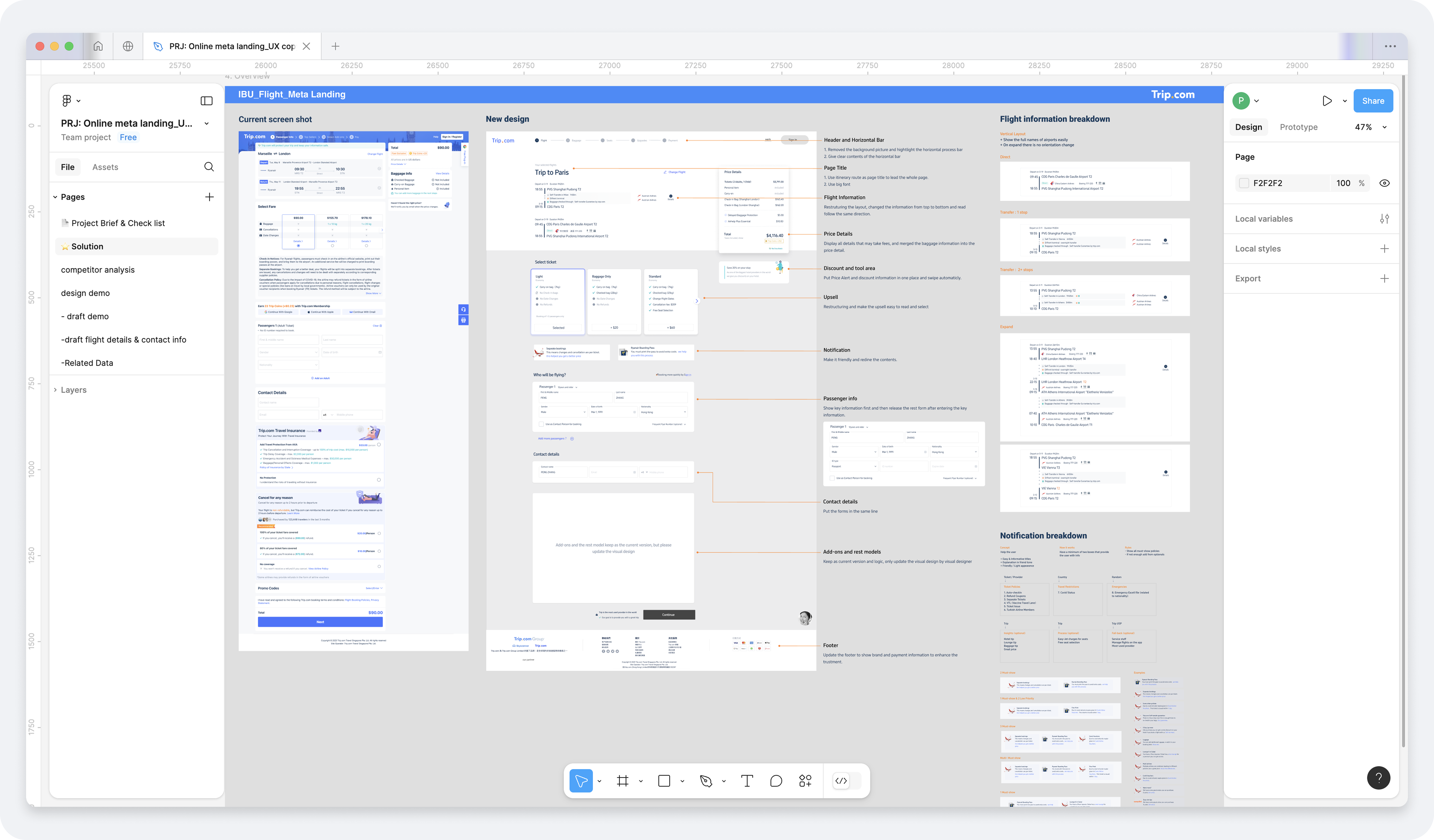
Final Performance
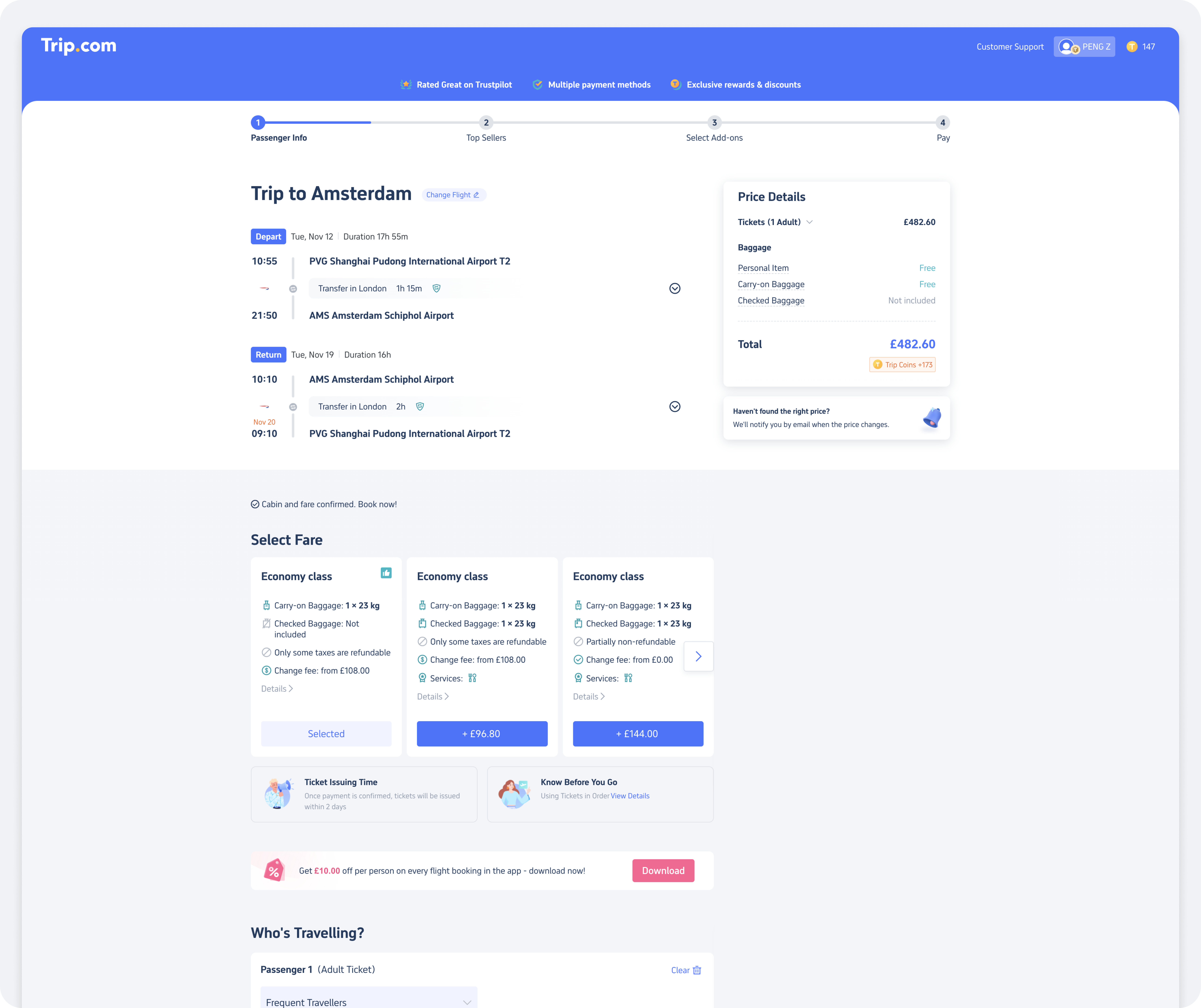
3. Key Updates
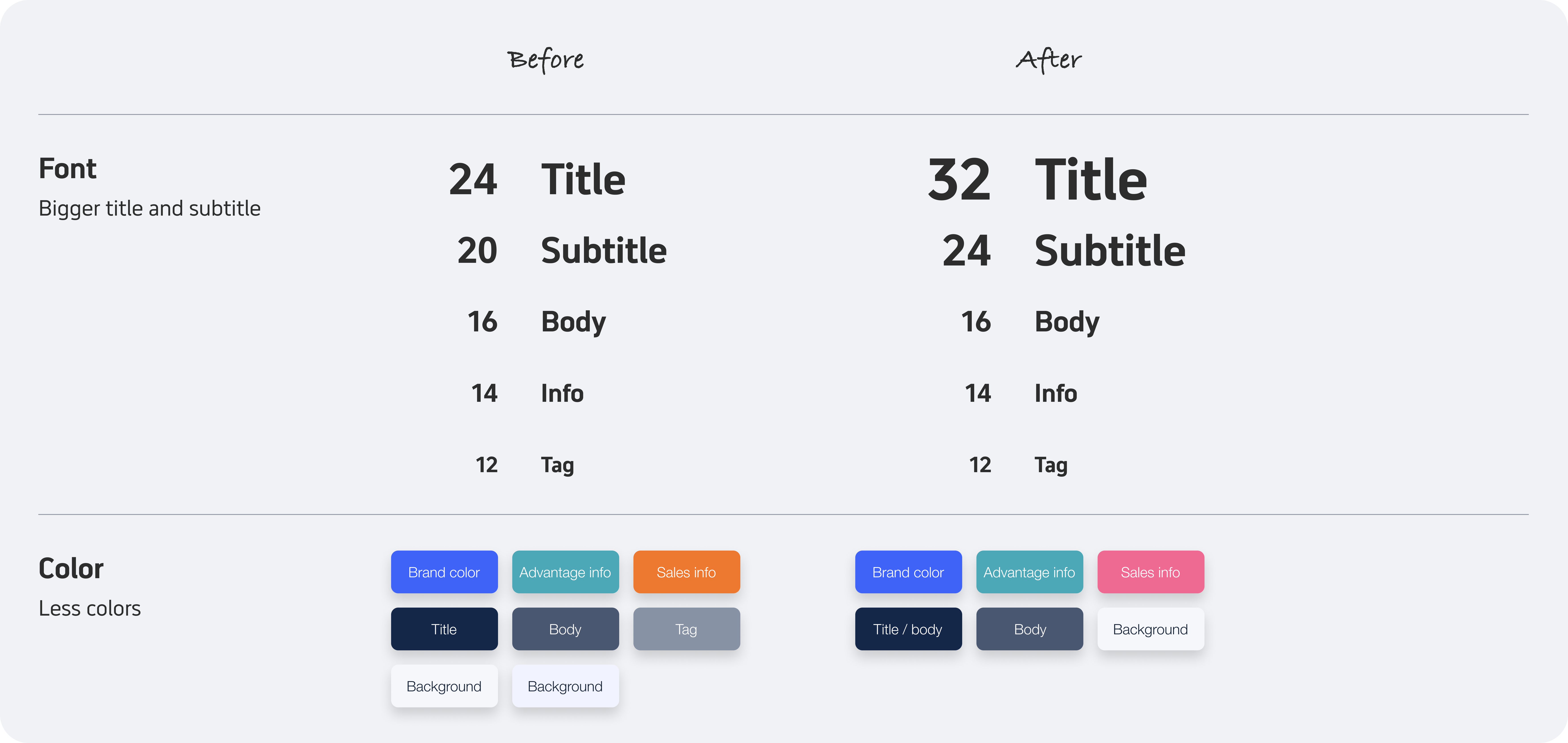
Update 1: To better differentiate the sections of the page and create a cleaner overall look, we adjusted the font sizes and reduced the use of colors.
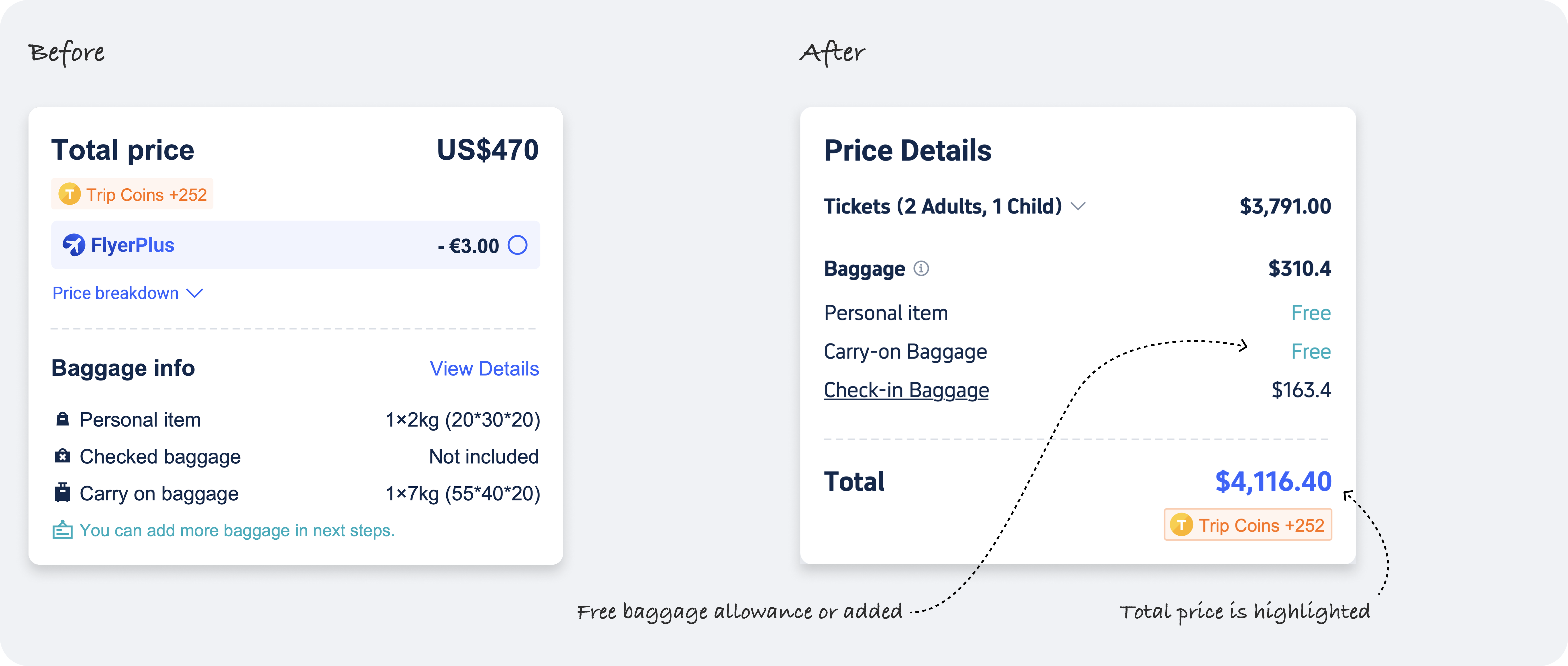
Update 3: Streamlined the information structure of the price details section, emphasizing the price itself while seamlessly incorporating important baggage information into the price breakdown.
Update 4: Enhanced the step-by-step visibility so that users can clearly understand the upcoming process.
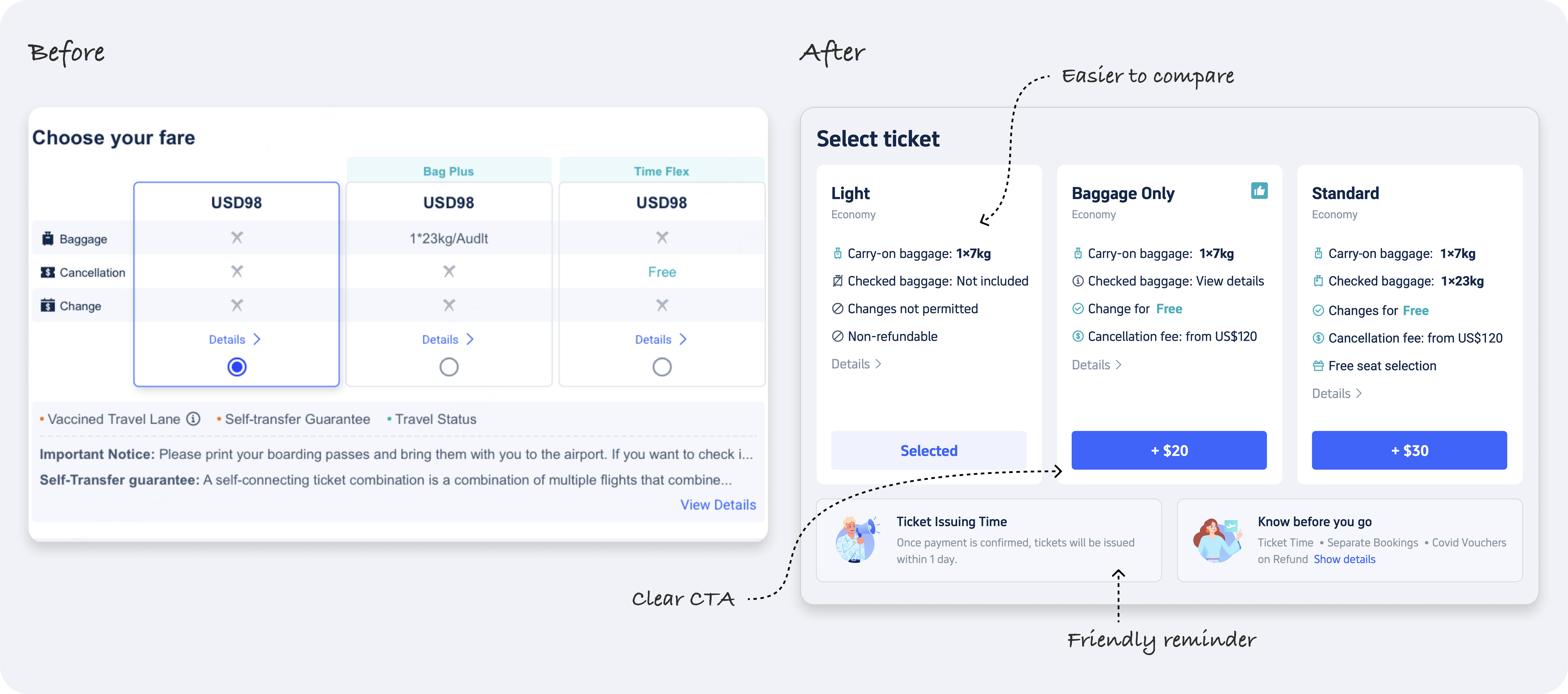
Update 5: The upsell service comparisons are now more direct and clear, making them easier for users to understand. And the notifications are more friendly.
Data Performance
Additional A/B Test
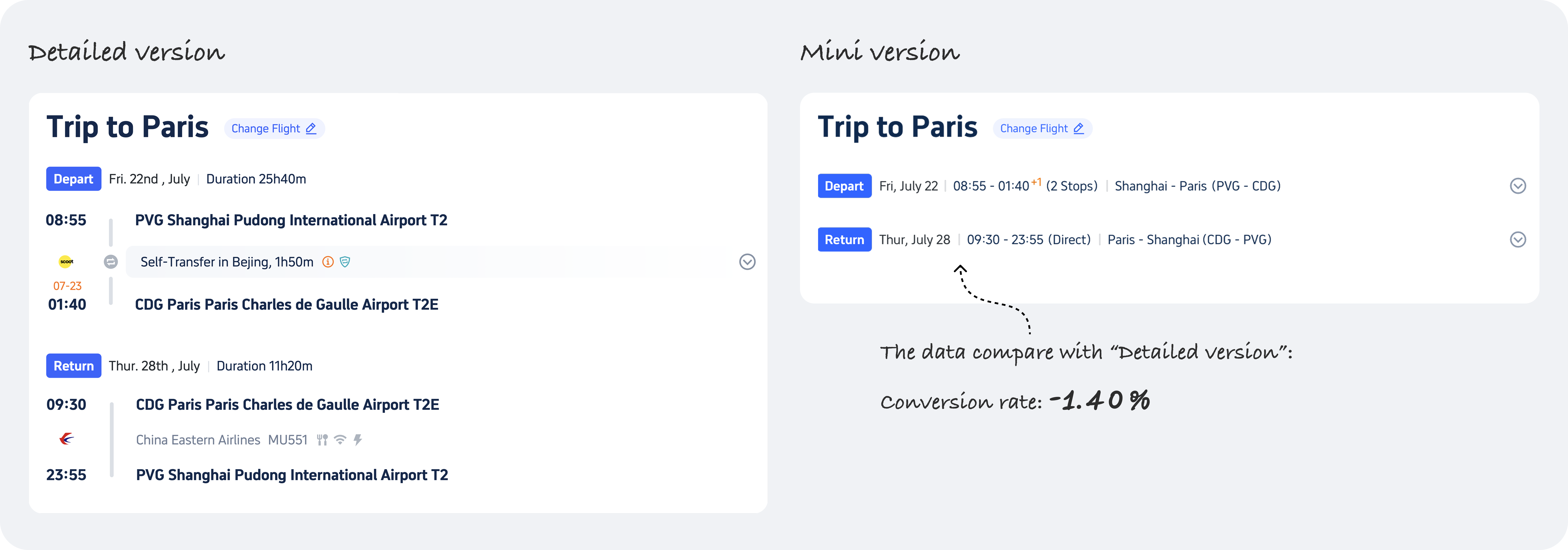
Products in the Chinese market often focus on screen efficiency. During the project, we considered whether reducing the height of flight information could increase the visibility of the bottom Ancillary module to maximize revenue. However, this brings us back to the question: “What do users care about most?”, the additional A/B testing results also showed that Meta users prioritize verifying flight information.
Challenges and Learning
Challenges
Since this project is design-led, I need to persuade the product manager to support and drive its implementation before we officially start. Additionally, because the Meta landing page contains a lot of content (divided into two main categories: information conformation and ancillary purchases), I need to consider the launch timing and resource constraints, which means the project needs to be split into phases.
Learning