
Gatekeeper to Framework Builder, Governing the Campaign Rules
As the Product Detail Page (PDP) designer responsible for reviewing designs from multiple cross-functional teams, I had a consistent front-row view of what broke and why. Marketing designers kept submitting campaign visuals I couldn't approve, and instead of continuing to reject them, I asked why the same problem kept recurring. The real issue wasn't their designs. It was the absence of any governance rule for the most contested space on the PDP.
Platform Context & My Role
The page where purchase decisions are made or lost.
The Product Detail Page sits at the center of TikTok Shop's purchase funnel, between content discovery and checkout. It's where a shopper's interest either converts to intent, or doesn't. Every element on this page influences that moment of decision.
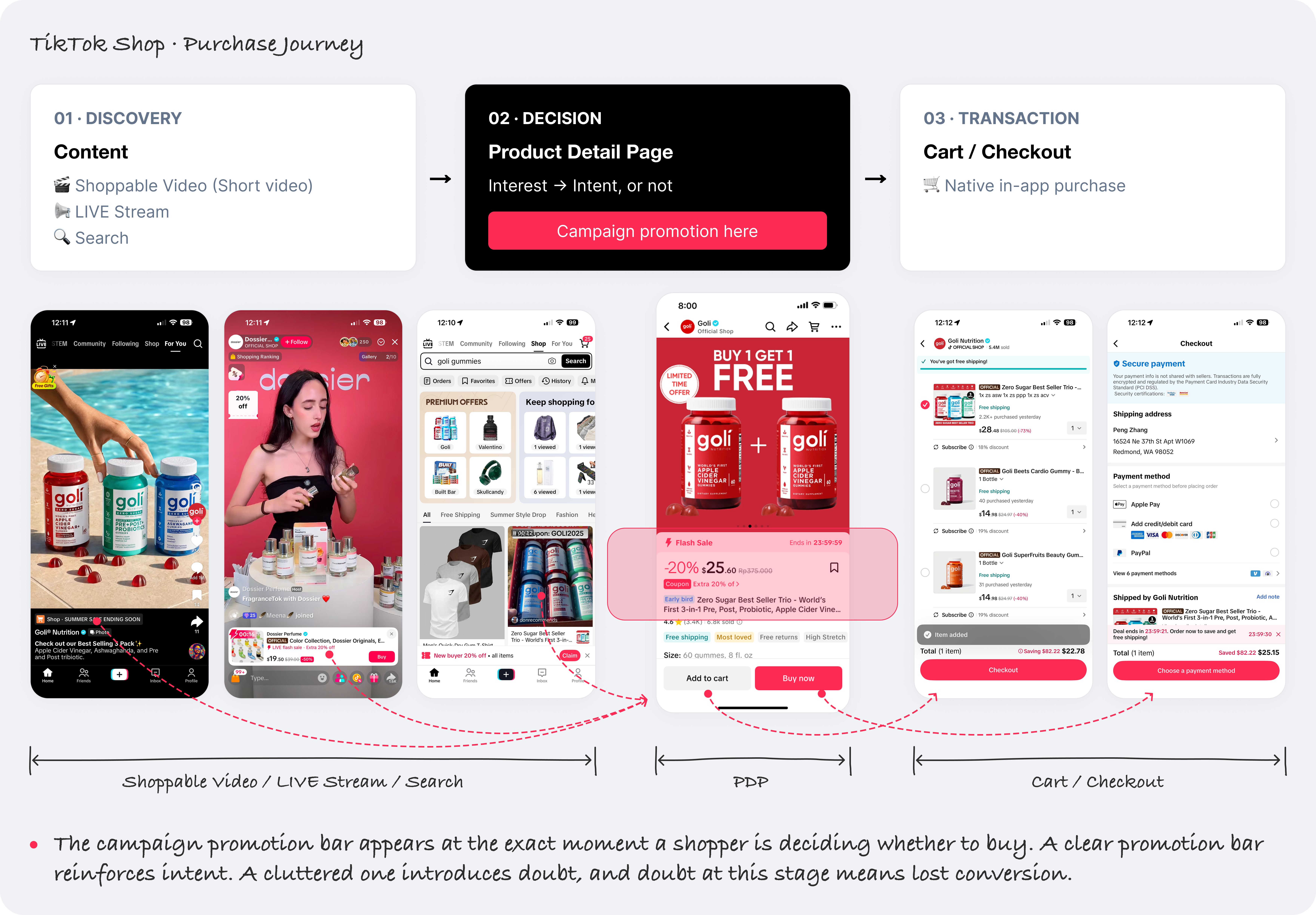
As PDP Lead Designer, my responsibilities spanned two areas: owning the design quality of the product detail page itself, and reviewing every design from cross-functional teams before it landed on the PDP. That second responsibility gave me visibility across marketing, business, and channel teams — exposure that individual designers working within a single team typically didn't have.
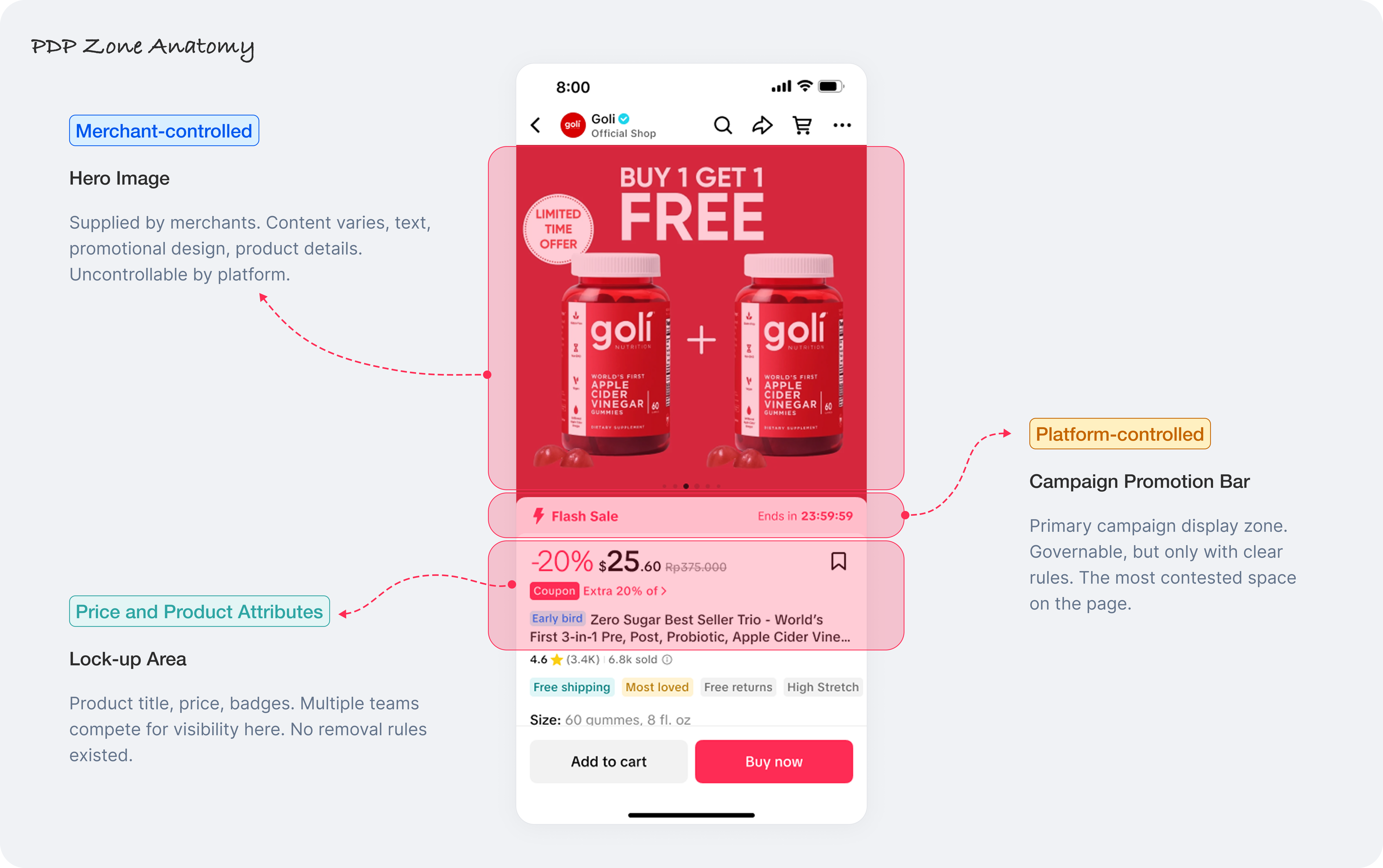
Three zones where most incoming promotion work competed for space:
What came through my review regularly?
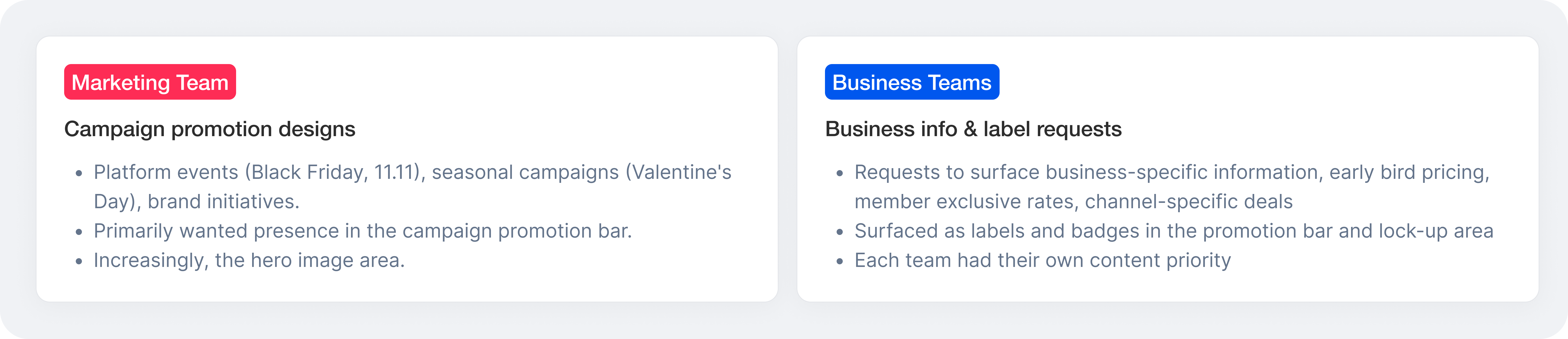
Two categories of teams were consistently sending design requests that touched these zones:
The Problem & Root Cause
I kept rejecting the same designs. The problem wasn't the designers.
As these requests came in, I kept declining them for the same reasons, across different teams, in different campaigns. Marketing designs were layering campaign elements onto the hero image. Business labels were stacking up in the promotion bar with no clear hierarchy. The problems were recurring, not coincidental.
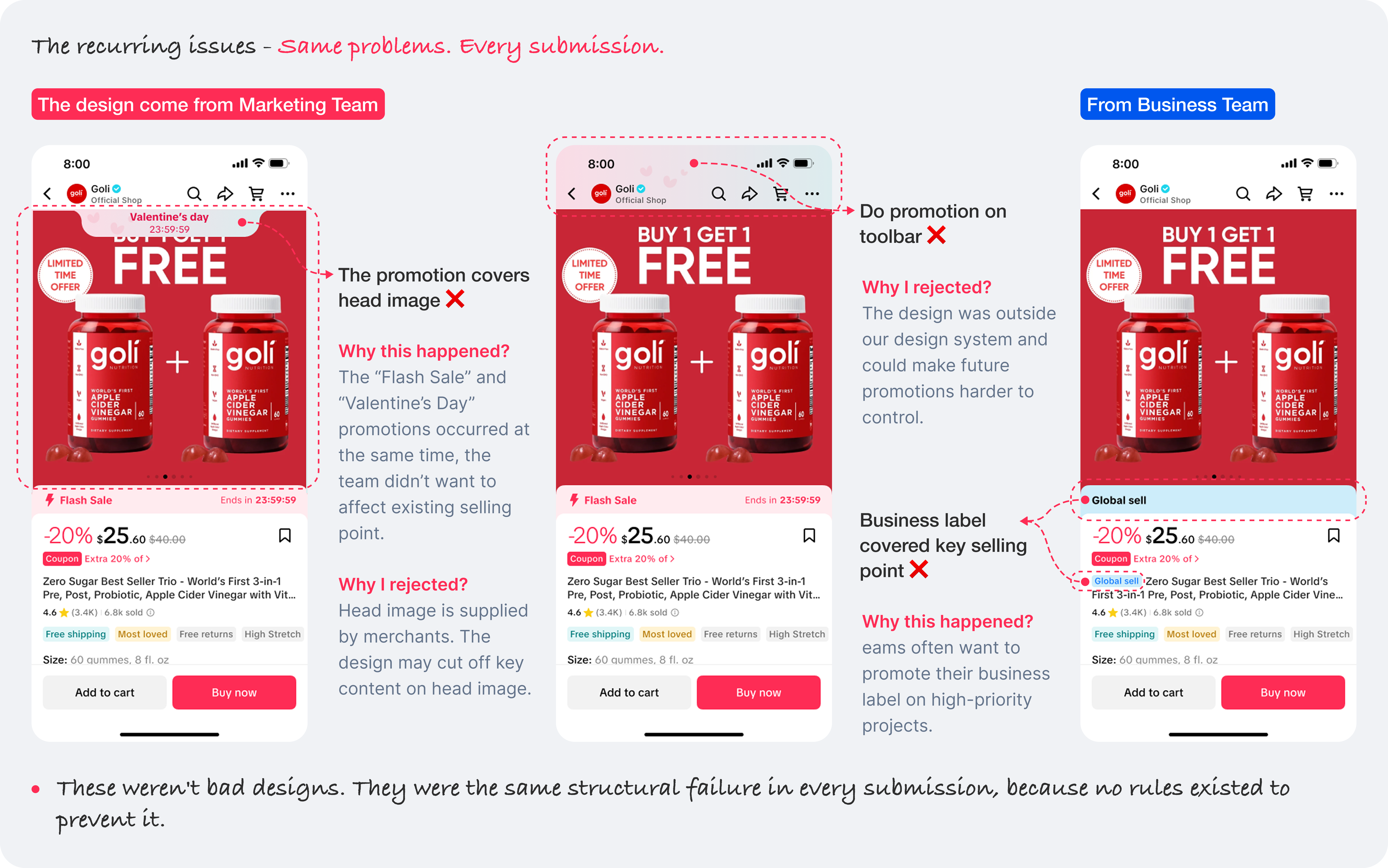
At some point I stopped asking "what's wrong with this design?" and started asking a different question: why does every designer, independently, arrive at the same solution I can't approve?
The answer wasn't their craft. It was that no one had ever defined the rules for the space they were designing into. My cross-team review role gave me visibility that individual designers inside each team didn't have, I could see the same failure repeating from different directions. And I could see that rejecting work one by one wasn't solving it.
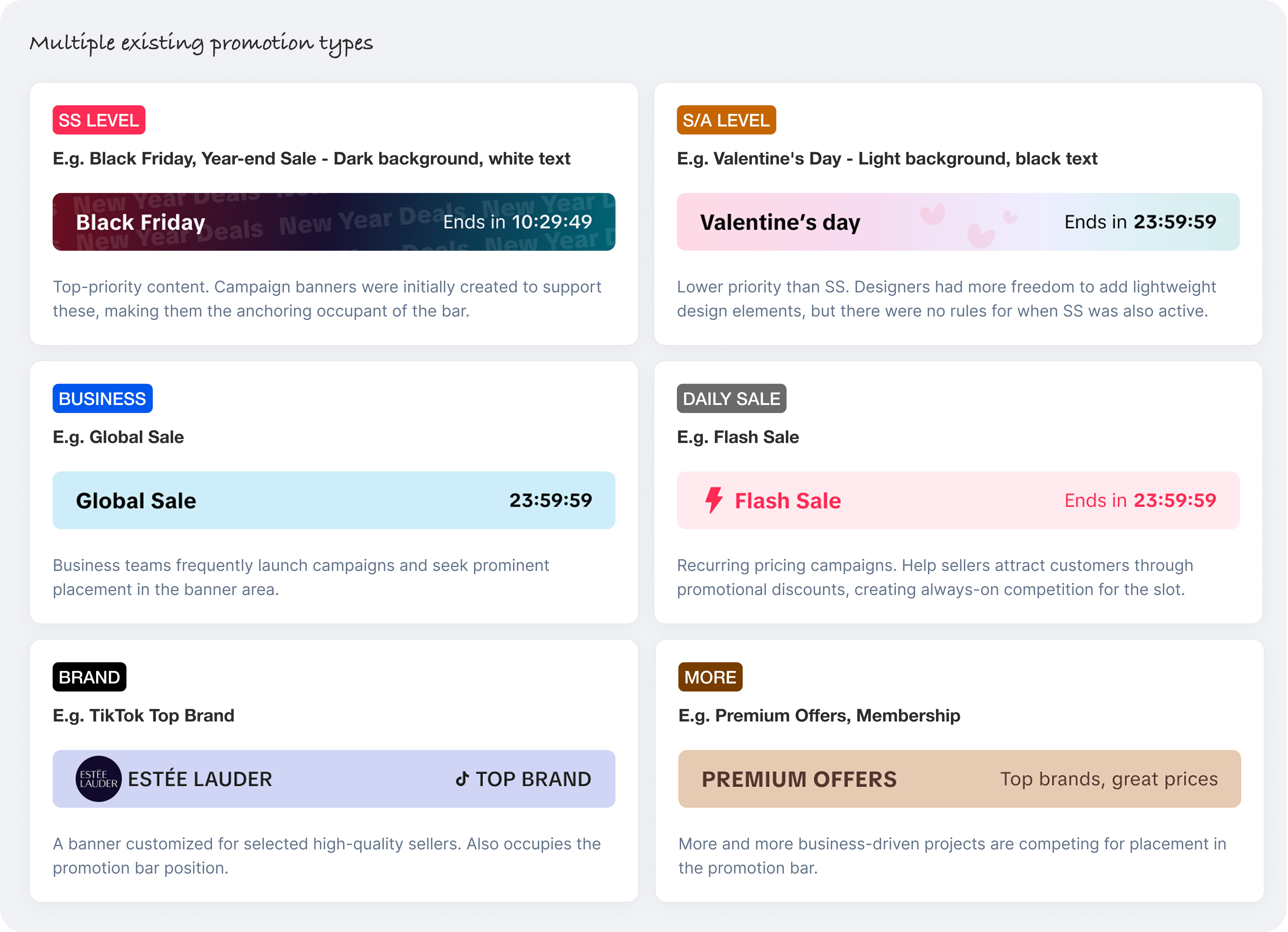
Why it kept getting worse: six promotion types, one slot, no rules.
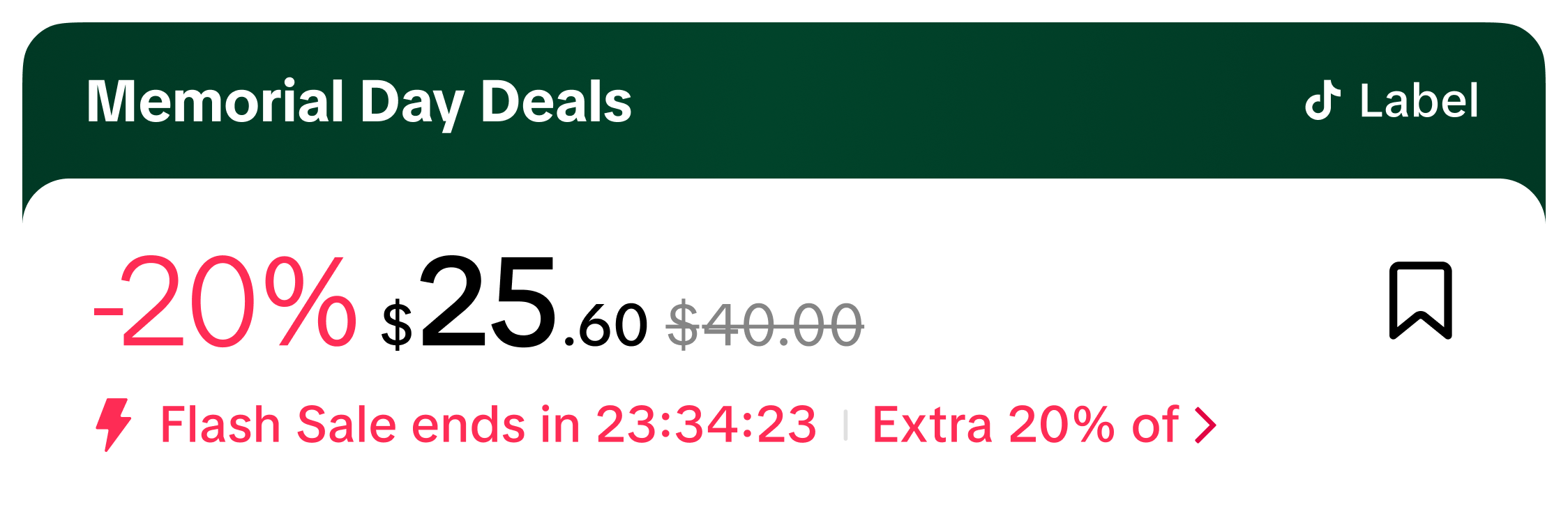
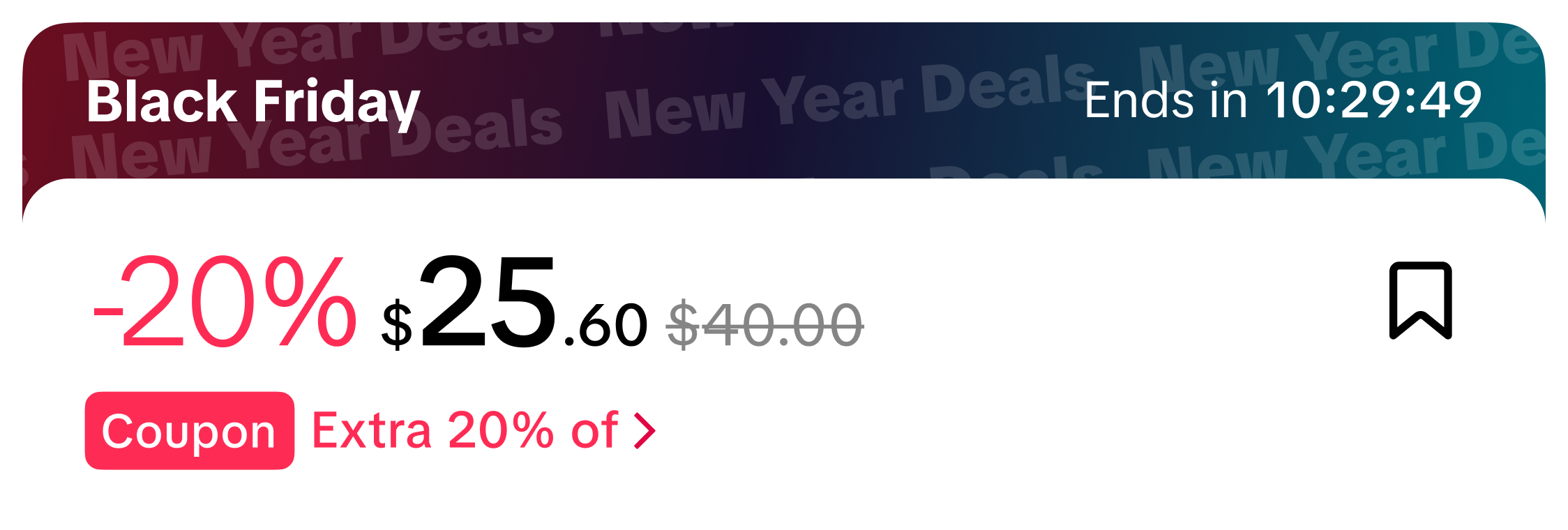
The campaign promotion bar already existed, but it was already under pressure. Multiple types of initiatives competed for the same placement, with no systematic rules to determine who should win:
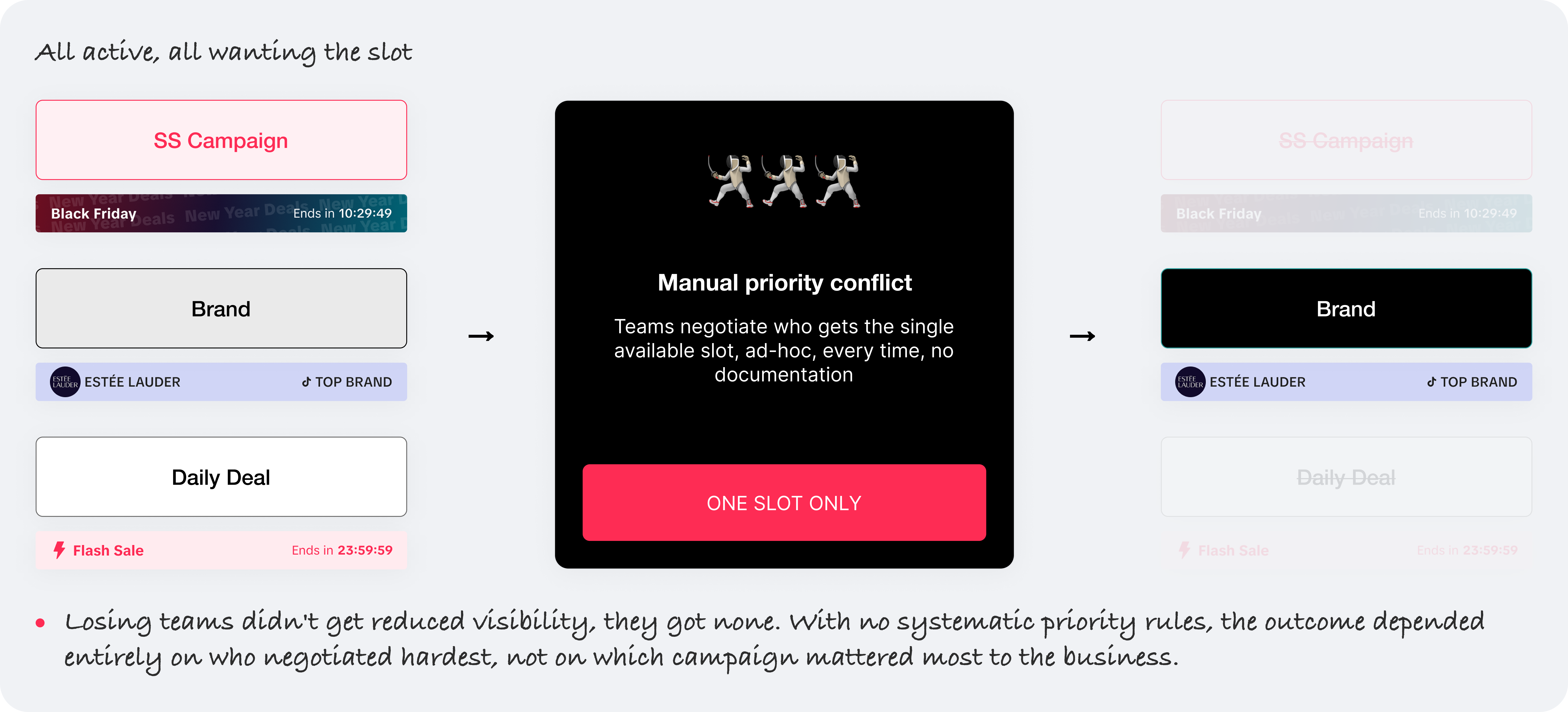
The promotion bar holds only one initiative at a time. When multiple campaigns were active, every team had to compete for the single available slot. The loser got zero visibility, with no systematic rules to determine who should win. Outcome depended entirely on who negotiated hardest, not on which campaign mattered most to the business.
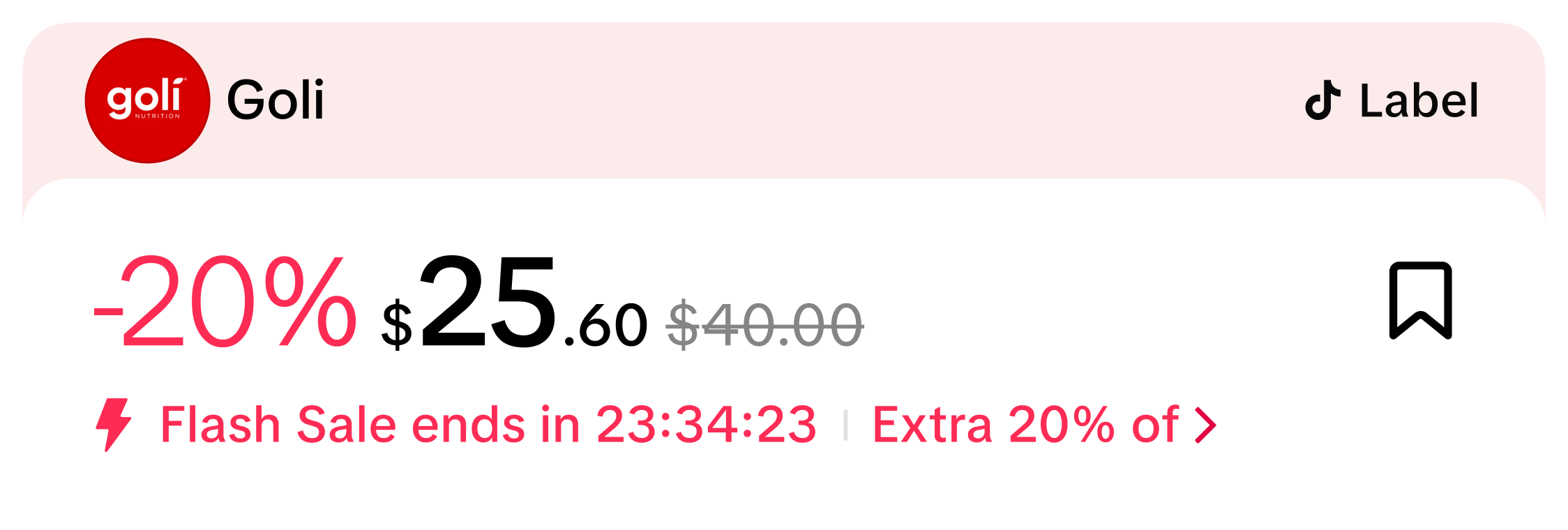
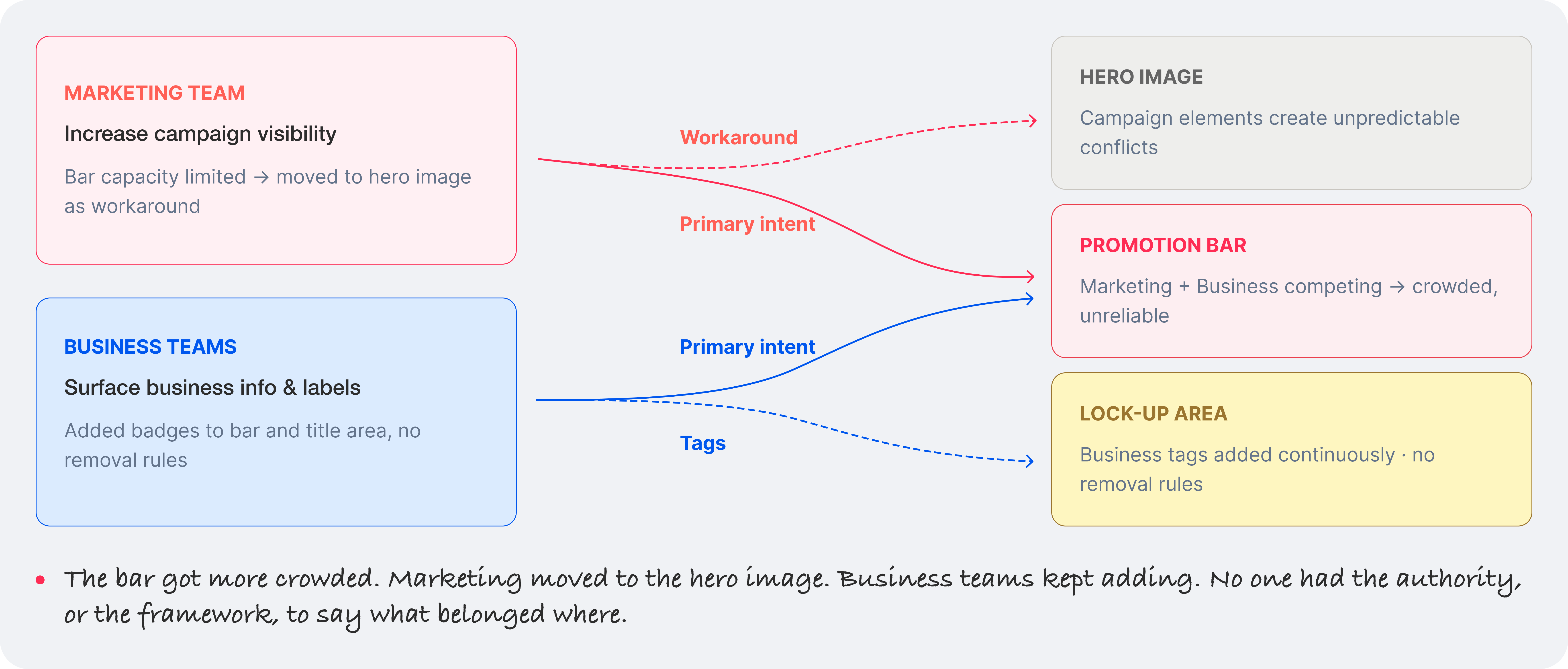
On top of the internal promotion conflicts, multiple external teams were adding content to the same zones, each with legitimate reasons, none with a shared framework.
Initiative & Process
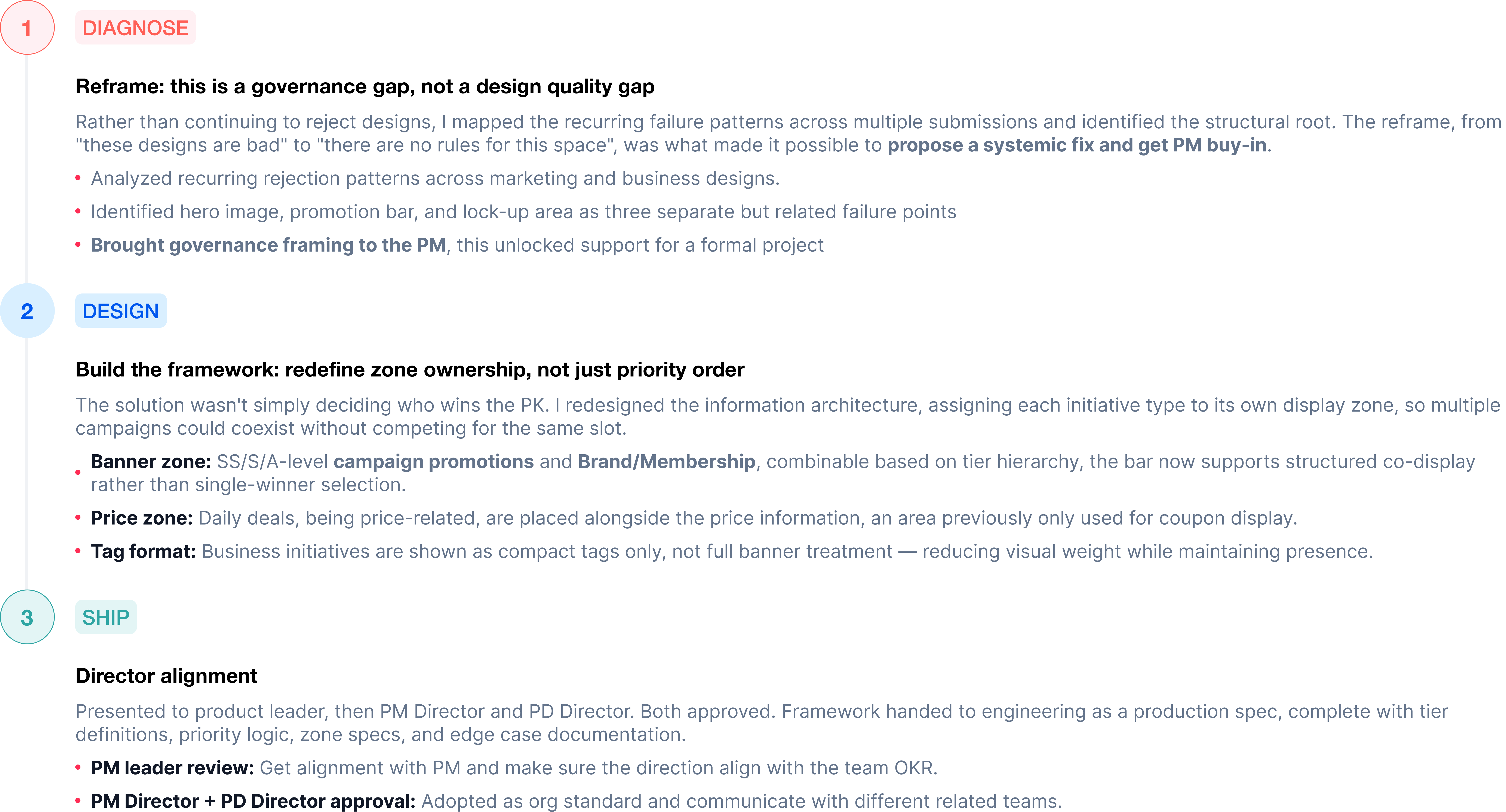
From gatekeeper to framework architect, in three phases.
My review role gave me cross-team visibility that individual designers inside each team didn't have. I could see the whole pattern. Taking responsibility for fixing it, without being asked, was the decision that drove this project forward.
Zone System & Combination Rules
A tier hierarchy that made coexistence rules systematic.
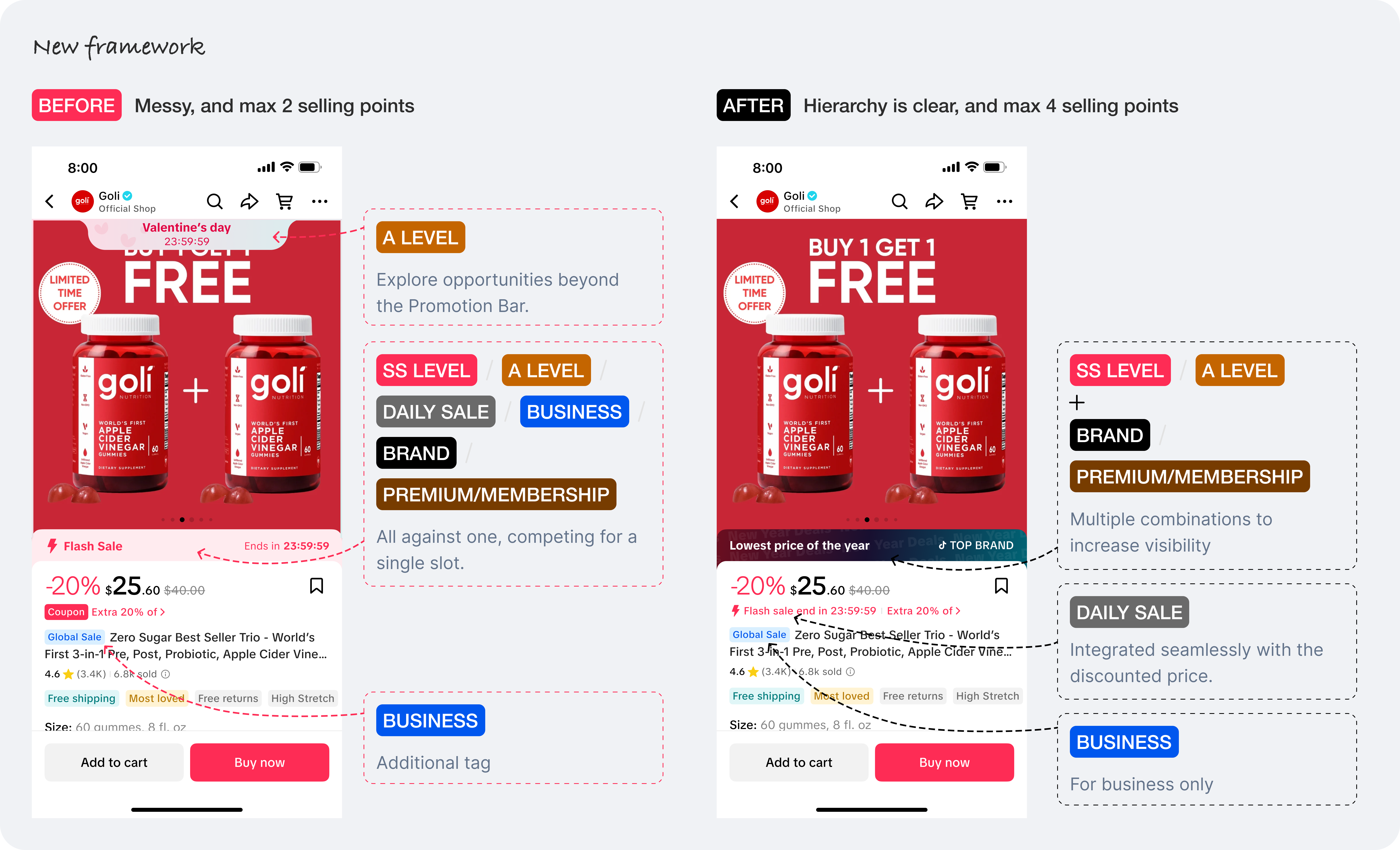
The framework answered three questions for every campaign on the PDP: what tier does this belong to, what does it display and where, and what happens when multiple promotions are active simultaneously. It replaced ad-hoc designer judgment with defined, repeatable rules.
Before and After
The clearest way to see what changed:
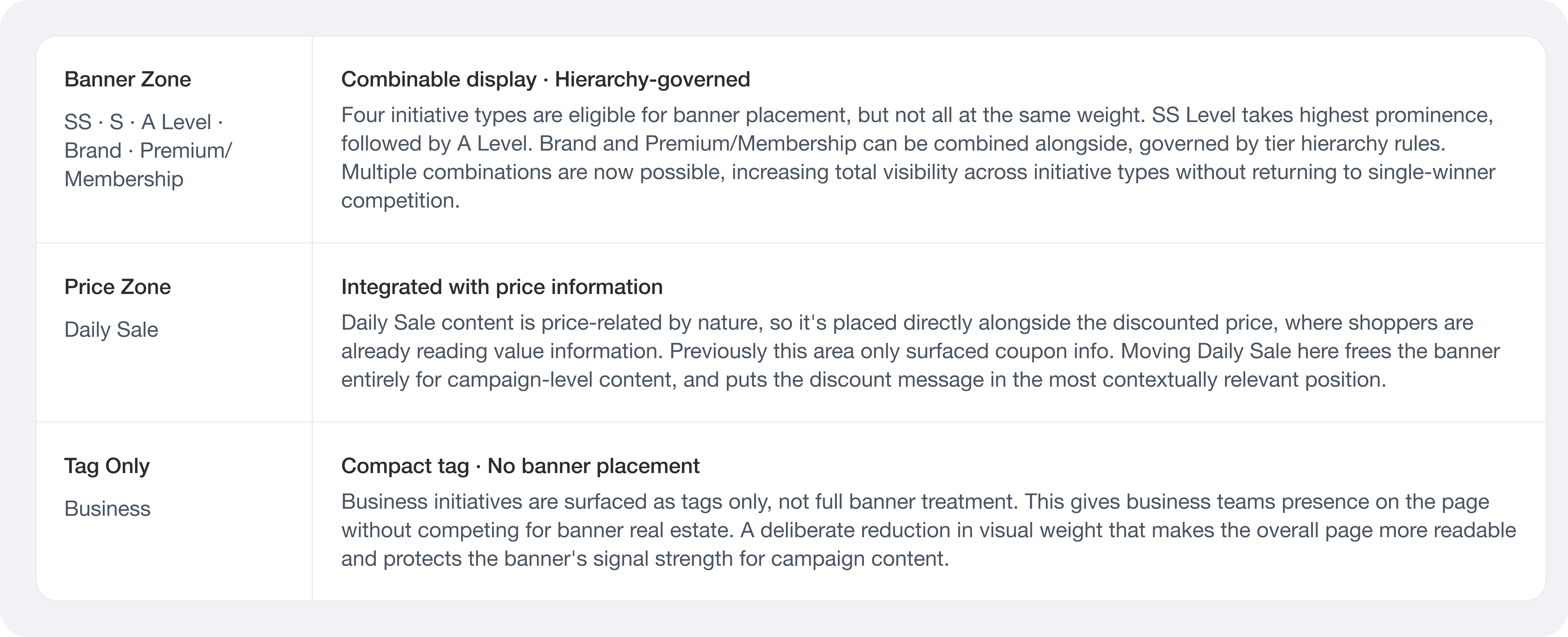
Zone Assignments
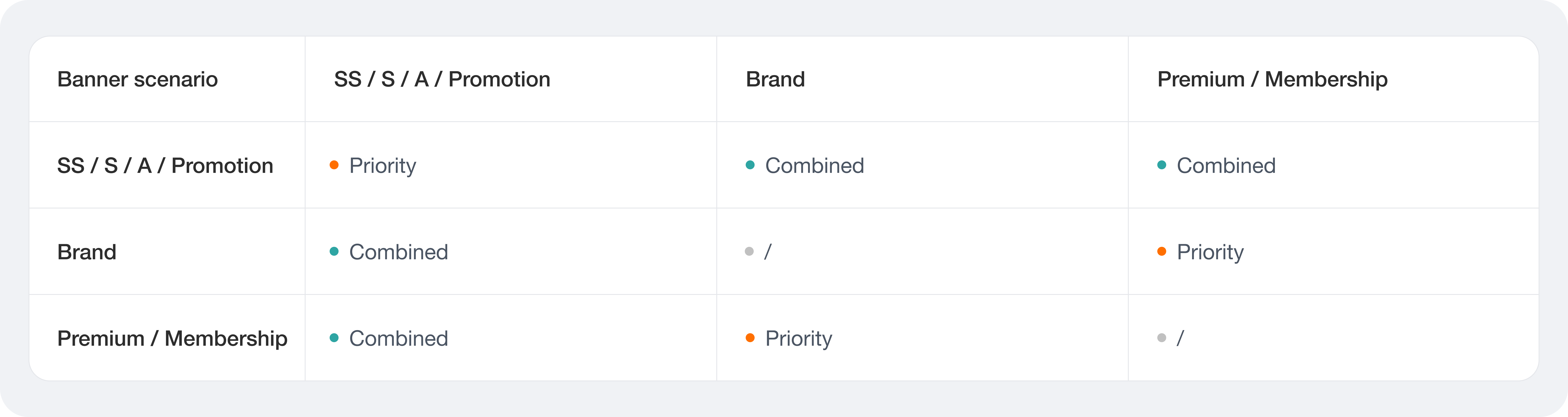
Banner Zone: Combination Rules
Within the banner zone, SS Level/A Level, Brand, and Premium/Membership can be combined, governed by hierarchy. Daily Sale and Business no longer compete here, they have their own zones.
Decisions & Tradeoffs
The decisions that were actually difficult.
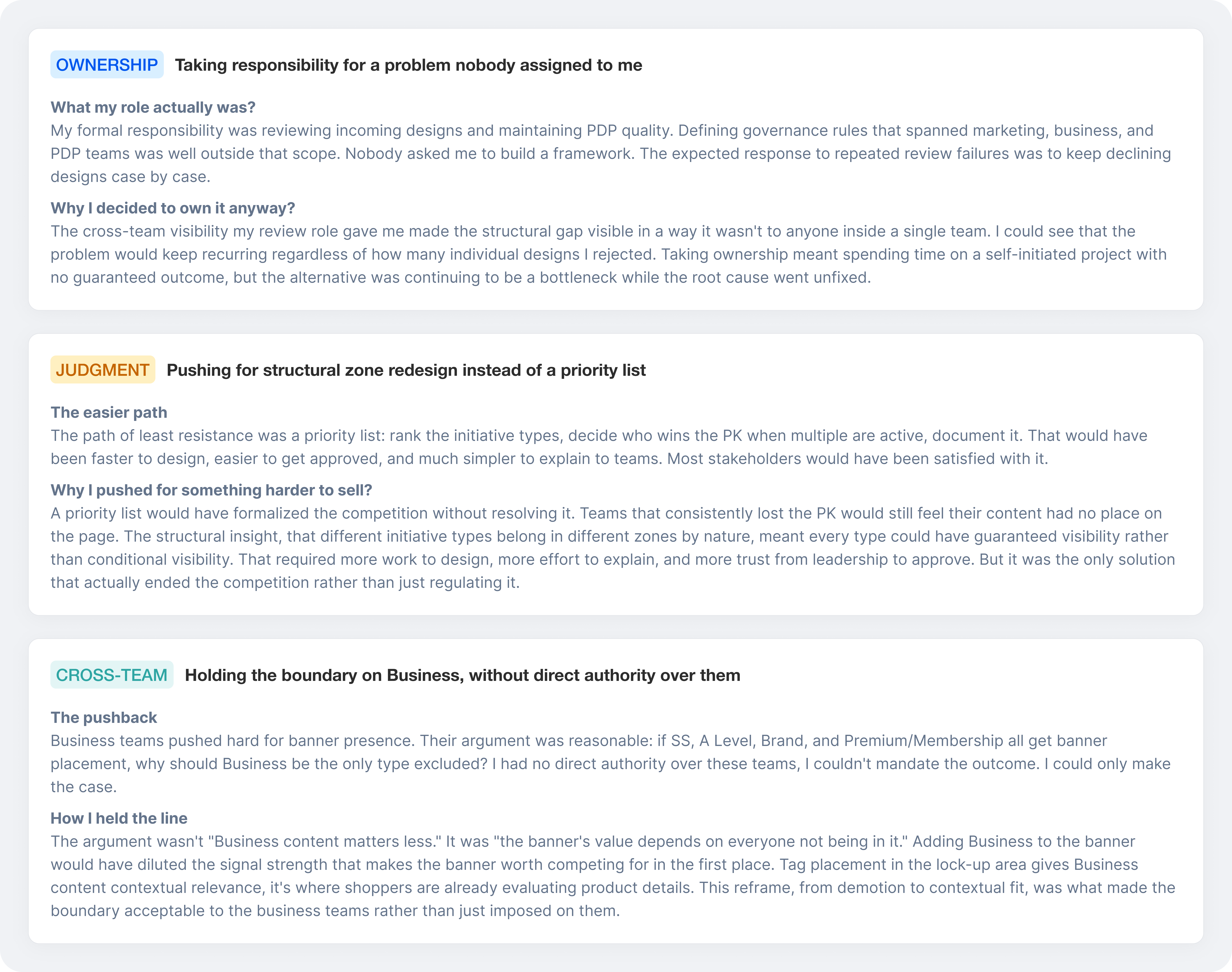
The design decisions were challenging. But the harder calls were organizational: deciding to own something outside my mandate, pushing for structural change when a simpler fix was available, and holding a boundary against teams that had legitimate grievances.
The Reframe
The most important moment wasn't the director approval. It was when I stopped treating rejected designs as individual quality failures, asking instead why every designer independently arrived at the same solution I couldn't approve.
That shift, from symptom to cause, is the difference between executing a design role and operating at a systems level. Every team involved was doing their job correctly. The problem was the absence of a shared contract. The framework didn't constrain anyone. It gave every team clarity they didn't have before.
Outcome & Impact
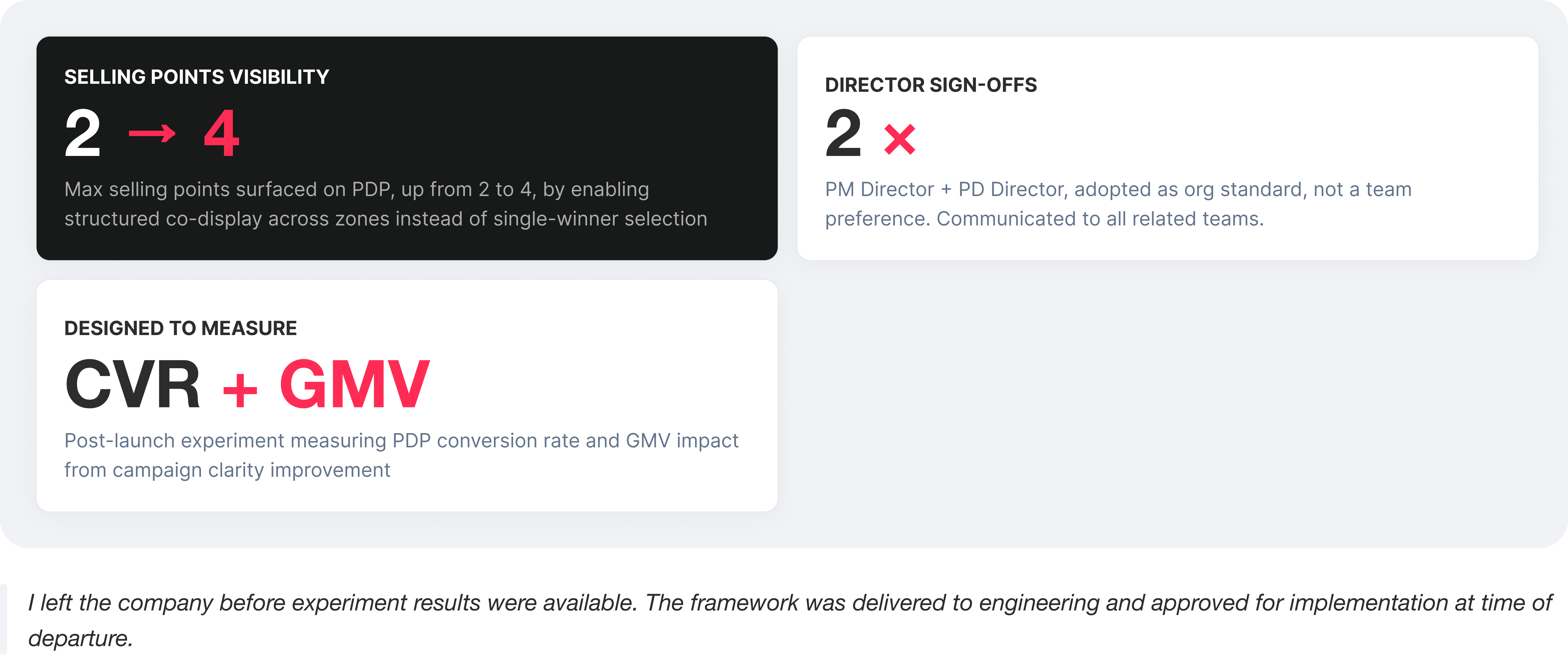
A governance standard. Approved. Built to be used.
The design decisions were challenging. But the harder calls were organizational: deciding to own something outside my mandate, pushing for structural change when a simpler fix was available, and holding a boundary against teams that had legitimate grievances.
What This Proved
The measure of a governance framework isn't how elegant it looks. It's whether the same argument stops happening every time a new campaign launches.
Every team involved was doing their job correctly within their respective mandates. The problem was the absence of a shared contract between them. The framework didn't constrain anyone, it gave every team clarity they didn't have before: Marketing got predictable banner zones with combination rules. Business teams got defined tag placement. Daily deals got contextually appropriate positioning.
Taking ownership of a problem that doesn't formally belong to anyone is often where the highest-leverage design work happens. The bottleneck wasn't effort or skill. It was a missing system. Building that system is the work.